15 Best Things to Do in Kokura: A Local's Guide (2026)
15 things actually worth your time in Kokura district — Kokura Castle, Tanga Market food walks, kakuuchi standing bars, Riverwalk shopping, and the Mt. Sarakura night view. By someone who passes through weekly.

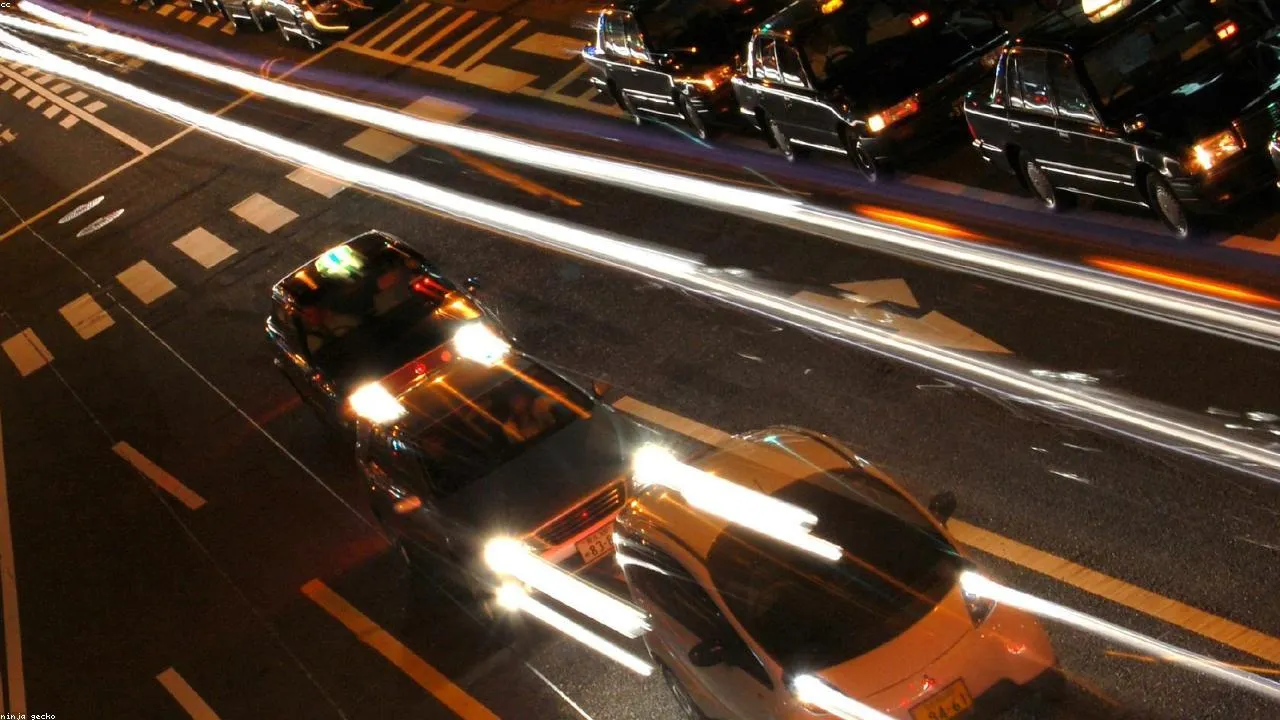
Kokura is the city that Kyushu travelers fly through without stopping. That’s a mistake. As someone who lives in Moji-ku and passes through Kokura most weeks — for work, for food, for the train connection — I can tell you that the district rewards an afternoon and embarrasses you with options for a full day.
This isn’t a list padded out with background history. These are 15 things I’d tell a friend to actually do, with practical times, costs, and honest caveats about what’s worth skipping.
1. Kokura Castle
Time: 60–90 min for the keep; 2.5 hours with the garden | Cost: ¥350 adults (¥560 with garden) | Walk from station: 15 min
The most-visited attraction in Kitakyushu is here for a reason. The 1959 reconstruction is not the original 1602 castle — the interior is a museum, not a period restoration — but the grounds, the moat circuit, and the Yasaka Shrine complex inside the precinct are genuinely atmospheric. Don’t skip the adjacent Japanese garden: pay the combination ticket (¥560), remove your shoes, and walk the wooden corridors for the view back across the pond to the keep. Tea in the tatami room overlooking the garden is ¥500 and worth it.
Best photo: the southeast corner of the keep in late afternoon (16:00–17:00) with the south stone wall in the foreground. The canonical shot — cherry blossoms along the Murasaki River side — happens in late March to early April.
Full details: Kokura Castle visitor guide.
2. Kokura Castle Garden
Time: 45–60 min | Cost: included in ¥560 combination ticket | Walk from station: 15 min (same precinct as castle)
Technically attached to the castle, but worth treating as its own destination. Built in 1998 as a reconstruction of an Edo-period samurai residence, the garden combines a stroll circuit with a formal tea room. The wooden corridors and tatami rooms reward slow exploration. Tea ceremony experiences (full instruction, not just a cup) can be booked in advance on the garden’s website for around ¥1,500–¥2,000.
Autumn (mid-November to early December) is when the maples turn and crowds thin — arguably the best time to visit the garden specifically.
3. Tanga Market
Time: 45–90 min | Cost: free entry, budget ¥500–¥1,500 for food | Walk from station: 20 min, or 5 min from castle

Tanga Market (旦過市場) is Kokura’s kitchen — a covered market with roots going back to the 1920s that survived fires and rebuilds to remain one of the few functioning daily markets left in urban Kyushu. A major fire in 2022 damaged part of the market, but the rebuild is substantially complete and the core atmosphere is intact.
The right move is to walk slowly and eat your way through: tamagoyaki (rolled omelette) fresh off the griddle, soy milk from the tofu shop at the back, and whatever fish looks good at the stalls toward the Murasaki River end. There are a handful of sit-down stalls selling Kokura’s signature yakiudon (stir-fried udon) right inside the market. Budget ¥500–800 for a proper market meal.
Open: 8:00–18:00 most days; some stalls close Monday.
4. Heiwa-dori Covered Arcade
Time: 30–60 min | Cost: free | Walk from station: 10 min | Monorail: Heiwadori Station (1 stop from Kokura)
The longest covered shopping arcade in Northern Kyushu, stretching over 600 meters with shopfronts that haven’t changed much since the Showa era. This is not a tourist attraction in the curated sense — it’s where locals buy their shoes, get their watch batteries replaced, and eat lunch at stalls that have been there for 40 years.
The draw for visitors is the texture: the neon signs, the family-run shops, the unretouched quality of it all. It connects directly into the Uomachi entertainment district (where you’ll find the kakuuchi bars) and runs close enough to Tanga Market to do both in sequence. Evening is the best time — the neon hits different.
5. Riverwalk Kitakyushu
Time: 1–2 hours | Cost: free to enter | Walk from station: 5 min
The most architecturally interesting shopping complex in Northern Kyushu — designed by Jon Jerde (who did Fremont Street in Las Vegas), with a curved glass-and-steel form that straddles the Murasaki River and connects directly to the castle moat path. Six floors of shops, restaurants, and cinema.
Useful for rainy days since the indoor route from Kokura Station to the castle runs through Riverwalk without any exposure to rain. The basement food court and the ground-floor supermarket are the best lunch options if you’re on a budget (ready-made bento from ¥450).
Underground parking: ¥300 first 30 min, ¥150 each additional 30 min — the best-placed lot for a Kokura day.
6. Murasaki River Walk
Time: 20–40 min | Cost: free | Start: Riverwalk Kitakyushu north entrance
The river walk along the Murasaki (紫川) connects the coast to the castle in a 3-kilometer stretch with well-maintained paths on both banks. During cherry blossom season (late March–early April) this is where Kokura’s best sakura viewing happens: the rows of trees along the north bank between Riverwalk and the Tanga Market bridge are thick enough to form a tunnel effect at peak bloom.
Outside of sakura season, the river walk is a pleasant connector between the castle, Tanga Market, and the Heiwa-dori area rather than a destination in itself. It takes about 20 minutes to walk from the coast end to the castle.
7. Kitakyushu Manga Museum
Time: 2 hours minimum | Cost: ¥480 adults | Walk from station: 5 min (Riverwalk 3F)
Japan’s largest manga library is located in Riverwalk Kitakyushu on the third floor. The permanent collection spans over 70,000 volumes, organized by era, genre, and author — you can read in-situ at reading chairs. The institution takes manga seriously as a literary form: there are exhibits on the history of the medium, on specific artists’ techniques, and on Northern Kyushu’s connections to the manga industry (the city is birthplace of several major artists).
For manga fans, this is the single most remarkable thing in Kokura. For everyone else, it’s worth the entry fee even if you spend most of it in the free-reading zone with a random volume. Avoid weekend afternoons when school groups fill the place.
Open: 11:00–19:00 (until 20:00 on weekends). Closed Tuesday.
8. Yasaka Shrine
Time: 20–30 min | Cost: free | Location: northwest corner of Kokura Castle precinct
The Yasaka Shrine sits inside the castle grounds but predates the current castle reconstruction. It’s an active working shrine — you’ll encounter local families here for shrine visits, sometimes weddings or the shichi-go-san (children’s ages 3, 5, 7) photo sessions in November. The shrine sells a full set of omamori (amulets) and has a small outdoor handwashing pavilion that’s one of the more photogenic spots in the precinct.
If you’re collecting goshuincho (pilgrim stamp books), the shrine stamp is available from the social welfare foundation office near the shrine — ask at the small reception desk. The Kokura Castle itself also sells a gojo-in (castle stamp) at the keep entrance.
9. Kakuuchi Standing-Bar Crawl
Time: 2–3 hours (evenings) | Budget: ¥1,000–2,500 per person | Area: Uomachi, near the arcade
Kakuuchi (角打ち) is one of the best things about Northern Kyushu and Kokura is where it’s most concentrated. Originally a liquor-store practice where you buy a cup of sake at the shop counter and drink it standing there, kakuuchi has expanded into a full culture: you stand at the counter (there’s rarely seating), order from a small menu of cheap snacks and poured drinks, and move on to the next place. Drinks typically run ¥300–600; snacks ¥200–500.
The Uomachi area (parallel to Heiwa-dori, one block east) has the densest cluster. Look for the small shops where most of the customers are standing in the doorway or on the small covered stoop outside — that’s how you identify them. For a more structured introduction to Kokura’s bar culture, see the upcoming nightlife guide.
10. Mt. Sarakura Night View
Time: 2–3 hours including transit | Cost: ¥1,230 cable car round trip | From Kokura: 30 min by JR + bus or taxi
The night view from the summit of Mt. Sarakura (皿倉山, 622m) is ranked as one of the “Three New Great Night Views of Japan” — the panorama across Kitakyushu, the Kanmon Strait, and the Shimonoseki lights on the Honshu side is legitimately one of the most impressive views in Kyushu.
Technically in Yahata-higashi ward rather than Kokura, but every Kokura itinerary includes it: take the JR Kagoshima Line to Yagura Station (12 minutes from Kokura), then taxi (¥3,500) or shuttle bus to the cable car station. The combined cable car and slope car takes 15 minutes to the top. On clear evenings between October and February the visibility is stunning. Arrive by 17:30–18:00 to catch the transition from dusk to full dark.
Full details: Mt. Sarakura guide.
11. Late-Night Ramen Scene
Time: After 22:00 | Budget: ¥800–1,200 per bowl | Area: around Kokura Station south exit
Kokura has its own ramen style — lighter tonkotsu broth than Hakata’s opaque white version, sometimes closer to a clear chicken-pork hybrid, often with a slightly sweeter tare. The late-night culture is real: several shops near the south exit of Kokura Station stay open until 2:00 or 3:00 AM and cater to the post-bar crowd. Expect small counters, no-frills service, and very good soup.
The Kokura ramen scene is developing its own identity distinct from Hakata — worth trying at least one bowl to compare. Budget ¥800–1,200 including toppings. For specific shop recommendations, see the Kokura food guide.
12. Hiraodai Karst Day Trip
Time: Half-day (additional) | Cost: free plateau, ¥1,200 Senpukuji cave | From Kokura: 50 min by JR
The Hiraodai plateau (平尾台) south of Kokura is the largest karst landscape in Japan — a wide, grassy upland dotted with white limestone outcrops that look completely unlike anything else in Kyushu. The hiking is genuinely easy (mostly flat), the views are long, and Senpukuji cave (with its dramatic lit stalactite formations) is open to visitors year-round.
From Kokura Station, take the JR Kagoshima Line to Jono Station and then a taxi or the infrequent bus (about 20 minutes). Not feasible without a car on the same half-day as downtown Kokura sightseeing — plan it as a separate half-day. Best in spring (April–May) when the plateau grasses are fresh green, or autumn when they turn gold.
13. Kokura Race Course
Time: Half-day | Cost: ¥200 entry | Access: free shuttle bus from Kokura Station on race days
Kokura Race Course (小倉競馬場) is a working JRA (Japan Racing Association) horse racing facility and one of the least-expected things in Kokura. Race meetings are scheduled in winter (January) and summer (July–August) and the atmosphere is genuinely festive — packed stands, food stalls, outdoor screens, and a local crowd that treats it as a community event rather than a gambling establishment.
Entry is ¥200; if you can get a 100-yen paddock ticket (go to the grandstand first, ask at any counter), you’ll get closer to the horses. Betting is legal, easy, and very cheap to try — minimum unit is ¥100. Worth a morning if your dates overlap with a race meeting; check JRA’s calendar at jra.go.jp before planning around it.
14. Sumiyoshi Summer Night Market
Time: Evenings July–August | Cost: free entry | Access: 10 min walk from Kokura Station
Sumiyoshi Park (住吉公園) transforms on summer evenings into an outdoor market with food stalls, vendor tables, and occasional light entertainment. The market runs July through August (check local Kitakyushu event listings for exact dates — it’s not held every night). This is a local event rather than a tourist-oriented festival — the food is cheap, the crowd is neighborhood-level, and the atmosphere is relaxed.
Neighboring Sumiyoshi Shrine (the actual shrine, not the park) has its own summer events and is worth a short visit regardless. The Sumiyoshi area is about 10 minutes walk east of the station, past the Heiwa-dori arcade.
15. Kokura Station Shopping
Time: 30–45 min | Cost: varies | Location: in and around Kokura Station
The shopping and dining inside Kokura Station itself earns a place on this list because it’s genuinely good: the basement-level ARCA (アルカ) shopping floor and the attached AMICA food hall have a proper selection of regional bento, Kyushu omiyage (gifts to take home), and packaged specialties. The Mojiko retro biscuits, the Kitakyushu TOHO salt caramel, and the boxed sets of Fukuoka specialty ramen are all here.
For a sit-down lunch before catching the Shinkansen, the ramen shops on the station building’s 2nd–3rd floor serve solid bowls at ¥800–1,100. The food court closes at 22:00; most individual shops by 20:00–21:00.
Suggested Itineraries
Half-Day Kokura (4–5 hours)
Arrive Kokura Station → drop bags in coin locker (near Shinkansen gates, ¥400–700) → walk through Riverwalk to Kokura Castle (90 min) → continue east to Tanga Market for a late lunch or snack walk (45 min) → loop back through Heiwa-dori arcade (30 min) → evening kakuuchi at Uomachi or depart. Total walking: about 4 km.
Full-Day Kokura
Same as above, then: Kitakyushu Manga Museum (Riverwalk 3F, 2 hours) → dinner around Uomachi → Mt. Sarakura for the night view (leave by 16:30 to catch the dusk transition) → late ramen near the south exit. Budget 10–11 hours total.
2-Day Kokura
Day 1: Castle precinct + garden + Tanga Market + Heiwa-dori + evening kakuuchi crawl. Day 2: Manga Museum + Murasaki River walk + Hiraodai karst (if car or taxi available) + Riverwalk dinner. Or swap Day 2 for Mojiko Retro as a half-day excursion — Mojiko Retro guide here.
What to Skip
Kitakyushu Art Museum (Tobata): Excellent collection, but it’s 30 minutes from Kokura by train and a full half-day visit. Worth it if you care about contemporary Japanese art — not worth a detour otherwise.
Katsuyama Park observation deck: Views aren’t competitive with Mt. Sarakura. Fine if you’re already walking past, not worth a special trip.
Gion Daiko festival hype: If you’re not visiting in mid-July during the actual Gion Festival (when the massive Kokura taiko drumming performances happen), the site and the description will feel anticlimactic. Great if your dates align; skip the pilgrimage otherwise.
Practical Information
Coin lockers at Kokura Station: Available at both JR and Monorail platforms. Small ¥400, medium ¥500, large ¥700. Most convenient bank is near the Shinkansen gates, ground floor.
Budget lunch options: Tanga Market stalls (¥500–800), Riverwalk basement food court (¥450–700), the Heiwa-dori arcade teishoku restaurants (¥700–1,000 set meals). Avoid the overpriced tourist-set meals near the castle ticket booth.
Getting around: Everything listed in 1–10 is walkable from Kokura Station in under 25 minutes. Mt. Sarakura and Hiraodai require transit. A Japan eSIM makes navigation much easier — offline maps don’t always have Tanga Market’s interior stall layout.
English support: Kokura Castle has English signage and English-subtitled videos. Tanga Market has almost none. The kakuuchi bars have none, but pointing at what someone else is drinking works perfectly.
Tours That Include Kokura
Most travelers come to Kokura as part of a bigger Northern Kyushu day. Two structured tours are worth knowing about:
The Karato + Mt. Sarakura tour covers Karato Market’s sushi, a Mojiko Retro walk, and Mt. Sarakura’s night view in a single long day from Fukuoka — with a Kokura transit stop.
Book the Karato + Sarakura night view tour on Klook →The Fukuoka Foodie + Culture tour hits Karato Market sushi, Kokura city, and Dazaifu in one day — the food-oriented option.
Book the Fukuoka Foodie + Culture tour on Klook →For a larger Northern Kyushu loop that adds Kyushu Karato, Mojiko, Motonosumi Shrine, and Kokura Castle in one day:
Book the Kyushu Karato + Mojiko + Motonosumi + Kokura Castle tour on Klook →Or browse all Northern Kyushu day tours.
Anastasia lives in Moji-ku and commutes through Kokura several times a week. For where to eat on the same visit, see Where to Eat in Kokura. For the Kokura district overview see Kokura district hub.
FAQ
How long do you need in Kokura?
A half-day (4–5 hours) covers the castle, Tanga Market, and the Heiwa-dori arcade comfortably. A full day lets you add Riverwalk, Kitakyushu Manga Museum, and either the kakuuchi bar crawl or the Mt. Sarakura night view.
Is Kokura worth visiting as a day trip from Fukuoka?
Yes — and it's an easy one. Hakata to Kokura by Shinkansen is 16 minutes (¥1,470 unreserved). Many travelers combine Kokura with Mojiko Retro or Karato Market for a full Northern Kyushu day.
What is Kokura known for?
Kokura Castle, yakiudon (stir-fried udon — invented here in 1945), Tanga Market, the kakuuchi standing-bar culture, and Mt. Sarakura's night view (ranked among Japan's three greatest new night views).
What is the best area to stay in Kokura?
Within walking distance of Kokura Station puts you closest to most attractions. The Uomachi area (castle and arcade) is the most atmospheric at night.
Are there coin lockers at Kokura Station?
Yes — coin lockers are available at both the JR Kokura Station and the adjacent Monorail station. Sizes range from small (¥400) to large (¥700). The most accessible bank is near the Shinkansen ticket gates on the ground floor.