Mojiko Retro: A Local's Guide to Kitakyushu's Port District
Mojiko Retro's brick buildings, yaki-curry restaurants, Blue Wing drawbridge, and the Kanmon tunnel walk — from someone who lives in Moji-ku.

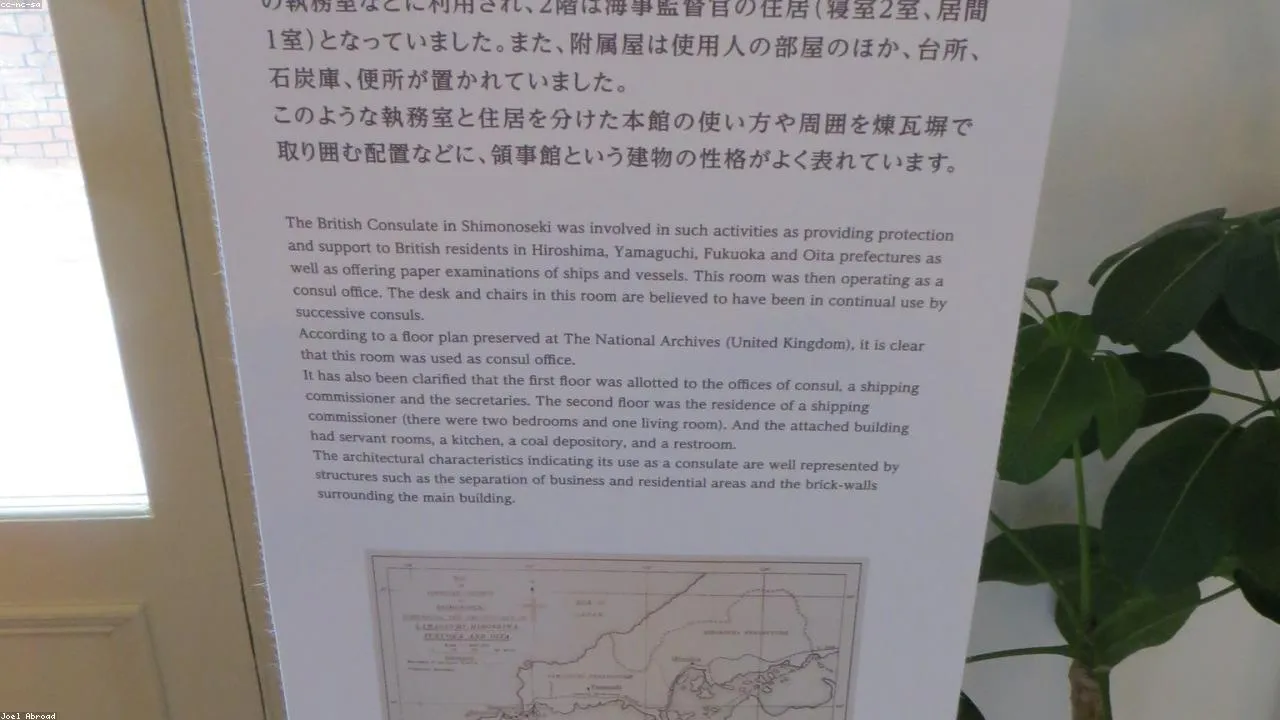
I live a five-minute walk from Mojiko Station. When I moved to Moji-ku in 2024, the neighborhood was already something I’d read about and seen in photos — the preserved Western-style brick buildings, the harbor, the famous drawbridge. Living here has replaced the postcard version with something more specific: which yaki-curry shops are worth the queue and which are coasting on tourist foot traffic, when the light hits the old customs building best, and which ferry crossing to Shimonoseki is the most reliable on a cloudy morning. That’s what this guide is: the version I’d give to a friend who asked.
Mojiko at a glance
Moji Port was opened to foreign trade in 1889, and between then and the early 1940s it was one of the most important coal export terminals in Japan. The Kanmon Strait — the narrow channel between Kyushu and Honshu — made Mojiko a natural transit point, and the port boomed accordingly. European and American trading companies, shipping firms, and customs offices built in the Western styles fashionable at the time: brick, stone, ornate facades.
Then the port declined. Coal traffic moved elsewhere, the steel economy shifted to Yahata, and Mojiko lost its commercial purpose before anyone had a reason to demolish what had been built. The buildings sat, mildly neglected but essentially intact, until 1988, when a concerted urban revival effort launched the Mojiko Retro tourism rebrand. The name is slightly self-conscious, but it worked: the district is now the most-visited part of Kitakyushu, and the buildings are genuinely worth it.
Understanding the history matters because it explains why the streetscape looks the way it does. This isn’t a reconstruction or a theme park — it’s a real place that survived because the alternative to preservation was emptiness.
How to get to Mojiko
The correct route from Kokura is the JR Mojiko Line from Kokura Station. The train takes 13 minutes and costs ¥280 each way. Trains run frequently throughout the day. This is a local line — not a shinkansen, not an express — but it’s direct and reliable.
Avoid trying to reach Mojiko by bus from Kokura. Bus routes exist but are infrequent, indirect, and primarily intended for local commuters. I have watched tourists wait 40 minutes at Kokura Bus Terminal for a service that then stops five times before reaching Mojiko. The train solves all of this.
If you’re driving: there are several paid lots near Mojiko Retro (roughly ¥500–¥800 per day). On weekends and public holidays, arrive before 10:00 or you’ll circle the waterfront looking for spaces while everyone else is already eating yaki-curry.
From Fukuoka: take the JR Kagoshima Line from Hakata to Kokura (approximately 15–20 minutes on a limited express), then the Mojiko Line from Kokura.
The buildings worth your time
Mojiko Station (門司港駅) is the architectural anchor of the whole district. Built in 1914, it’s the only Western Renaissance-style railway station in Japan to hold Important Cultural Property status. The building underwent a decade-long full restoration completed in 2019 — which means you’re seeing it in better condition now than at any point in the last 50 years. Stand on the platform side and look back at the facade when you arrive; the sight of an active JR train station that looks like a Victorian government building never fully stops being strange in the best possible way.
The Old Moji Customs Building (旧門司税関) is the red-brick building facing the harbor, built in 1912. It’s now partly a gallery and craft shop, and admission to the main hall is free. The building’s most photogenic side is the harbor-facing facade in the late afternoon.
The Former Osaka Shosen Building (旧大阪商船) was once the Osaka Mercantile Steamship Company’s local office, built in 1917 in an orange brick and white detail combination that reads as vaguely Flemish from the right angle. It houses a gallery space inside; the tower room has a narrow view of the strait.
The Mojiko Retro Observation Room deserves a mention mostly for the view. It’s on the 31st floor of the International Friends Memorial Building, admission is ¥300, and on a clear day you can see Shimonoseki across the strait, the Kanmon Bridge, and the full sweep of the harbor. I wouldn’t make it the centerpiece of a visit, but the ¥300 is reasonable for the perspective.
Yaki-curry
Mojiko’s signature dish is yaki-curry (焼きカレー) — a curry rice gratin that’s baked in an individual cast-iron or ceramic dish until the top caramelizes. An egg is typically cracked over the top before the final bake, giving the finished dish its characteristic golden surface. It’s not subtle food. It’s deeply savory, slightly sweet from the curry sauce reduction, and exactly right for a harbor-side lunch on a grey morning.
The dish was invented at Café Daisin (カフェ・ダイシン) in 1955, when the café’s owner began baking leftover curry rice in the oven to warm it up and found the result — caramelized crust, concentrated sauce — better than the original. Whether the complete origin story is accurate or has been polished over 70 years, the dish itself is real and specific to this place. You won’t find it in the same concentration anywhere else in Japan.
What distinguishes a good yaki-curry from a mediocre one: the curry sauce should be dense and complex, not thin and sweet; the rice should be fully integrated into the dish, not sitting in a separate pool; the egg should be cooked through but still slightly molten at the yolk. When those conditions are met, it’s excellent.
My three consistent recommendations (expect to pay ¥1,000–1,500 per dish):
- Retro Curry (レトロカレー), at the north end of the retro promenade near the customs building — the lunch queue is real but moves quickly, and the sauce-to-rice balance is the best in the district. Address: around 4-chome, Minatomachi, Moji-ku.
- Mojiko Yaki-Curry Marukamo (門司港焼きカレーまるかも) — a smaller shop with a tighter menu. The spice level is adjustable, which most competitors don’t offer. Address: Minatomachi 4-chome area.
- Blue Wing Café — yes, right at the drawbridge. The location is tourist-optimized, but the curry itself is genuinely well-made and the harbor view while eating is unbeatable.
A note: some of the older yaki-curry shops are cash-only. The majority of places in the Mojiko Retro area now accept cards, but carry ¥2,000 in cash if you want to eat without stress.
Blue Wing Mojiko
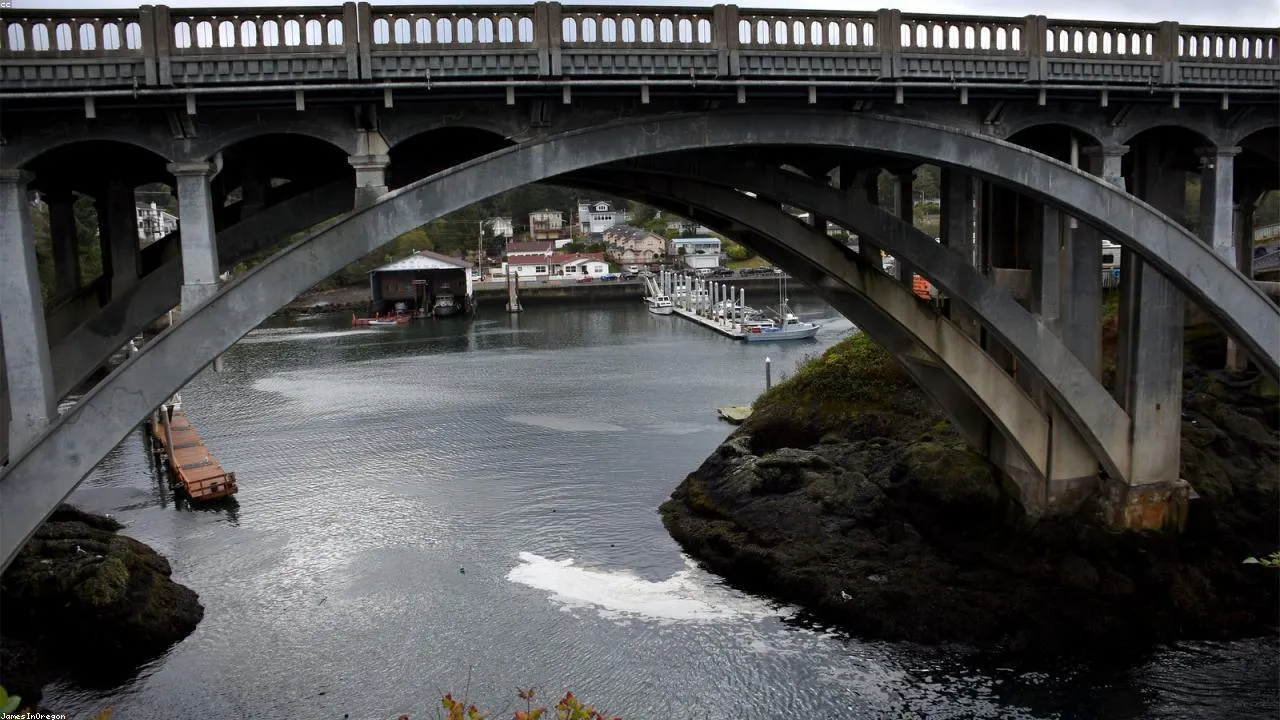
The Blue Wing Mojiko (ブルーウィングもじ) is a pedestrian drawbridge connecting two sides of the inner harbor basin — and it actually works as a drawbridge. Six times daily, at 10:00, 11:00, 13:00, 14:00, 15:00, and 16:00, the two halves of the bridge rise to an angle of roughly 60 degrees to allow vessels to pass. Each opening lasts about 20 minutes, after which the bridge lowers and pedestrian crossing resumes.
The opening is worth watching at least once, not because it’s spectacular — it’s a fairly small bridge — but because it’s a working piece of industrial infrastructure in a postcard setting, and the combination is unexpectedly compelling. Get there 5 minutes before an opening time and position yourself on the far side of the harbor basin for the best angle; the raised bridge against the Mojiko Station facade behind it is one of the district’s canonical photos.
The bridge is also useful. It’s the most direct pedestrian route across the inner harbor, so you’ll probably cross it regardless. If you’re planning a photo, simply time your crossing around an opening.
The Kanmon Strait and the undersea pedestrian tunnel
The Kanmon Strait (関門海峡) is 600 meters wide at its narrowest point — you can see Shimonoseki and Honshu from the Mojiko waterfront without any optical aid. Ships pass through in both directions throughout the day, and watching large container vessels navigate the channel from harbor level is one of the distinctive Mojiko experiences.
The Kanmon Pedestrian Tunnel (関門トンネル人道) is one of Japan’s more quietly remarkable infrastructure curiosities: a 780-meter pedestrian and cyclist tunnel running under the strait, connecting Kitakyushu on the Kyushu side to Shimonoseki on the Honshu side. It’s free to use. A nominal ¥20 toll applies on the Yamaguchi (Shimonoseki) side for pedestrians, collected in an honor box — this is so perfunctory it’s almost a formality.
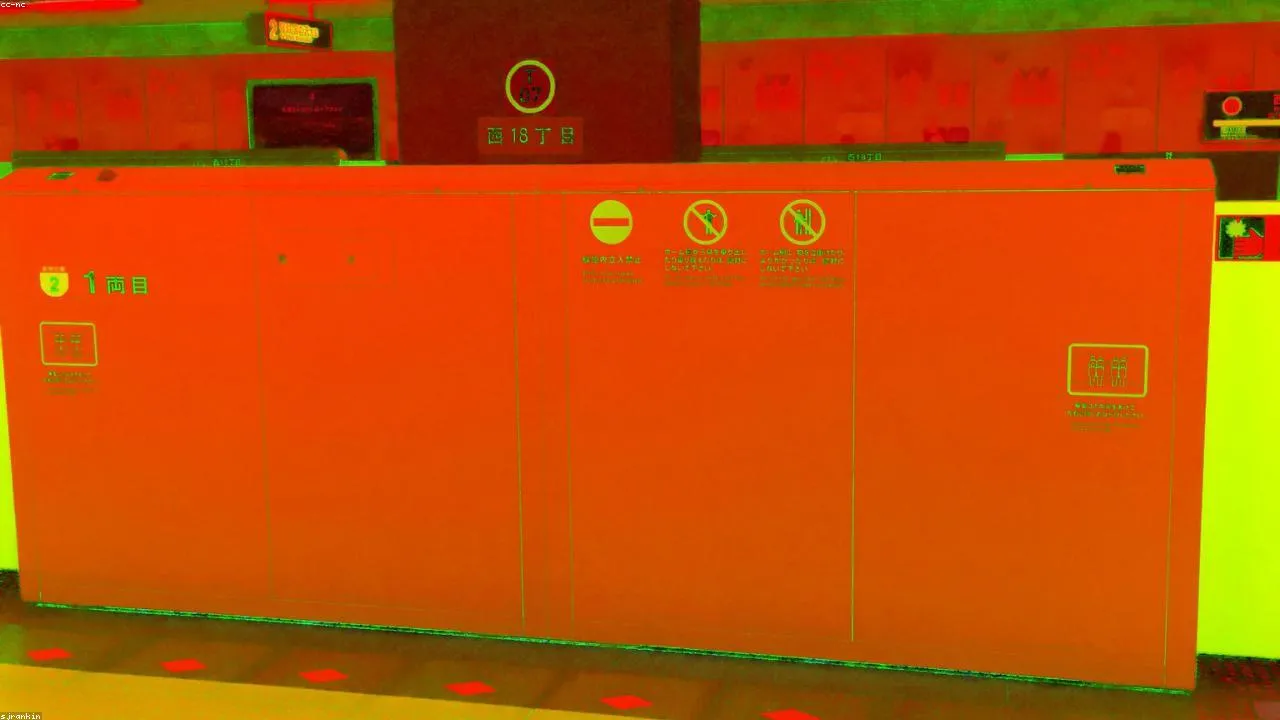
The tunnel entrance on the Kitakyushu side is at Mimosusogawa (みもすそ川), a 15-minute walk from Mojiko Station along the harbor road, or a short taxi ride. Take the elevator down to the tunnel level. The walk through takes about 15 minutes at a comfortable pace. Midway through there is a painted line across the floor marking the Fukuoka/Yamaguchi prefectural boundary — and therefore the Kyushu/Honshu boundary — which is the excuse most people stop and photograph.
I recommend the tunnel primarily for the experience of crossing from Kyushu to Honshu on foot under the sea. There is something genuinely unusual about it that a map doesn’t convey. If you have children with you, this is the highlight of the day — the elevator descent, the slightly compressed feeling of the tunnel, the painted boundary line, and the re-emergence in another part of Japan entirely.
Ferry to Karato Market, Shimonoseki
If the tunnel feels like too much walking, the Kanmon Ferry (関門連絡船) runs between Mojiko and Karato Ferry Terminal in Shimonoseki. The crossing takes 5 minutes and costs approximately ¥400 each way. Ferries run roughly every 20 minutes during the day, making it practical for a casual crossing.
The ferry is the better option if your primary goal is Karato Market (唐戸市場) — Shimonoseki’s main seafood market, which is a 2-minute walk from the Shimonoseki ferry terminal. The market is famous for fugu (blowfish) sashimi, and on weekend mornings there are stalls selling prepared fugu, red sea bream, and other strait-caught seafood to eat standing at the counter. If you’re there Friday–Sunday before 15:00, the market stall scene is one of the more memorable food experiences in this part of Japan.
There’s also the gosenjin (御船印) — a ship stamp collected by ferry enthusiasts, sold onboard the Kanmon Ferry. It’s a niche collecting category in Japan but worth knowing about if you or anyone in your group is into that.
Where to eat besides yaki-curry
Mojiko Banana (門司港バナナ): Bananas were historically a significant import through Moji Port — in the pre-refrigeration era, ships carrying Southeast Asian bananas would bring the green fruit to Moji, where it would ripen in the port warehouses. Banana-flavored sweets, particularly banana custard and banana-cream filled wafers, are now the port’s souvenir specialty. They’re pleasant and specific to the place; the wafer version travels well.
For seafood, the Mojiko Retro area has several waterfront restaurants serving grilled fish and sashimi sets, typically in the ¥1,500–2,500 range. The harbor-facing seats at these restaurants are the lunch spots I’d choose over the retro-promenade tourist strips if yaki-curry isn’t the priority.
For coffee, there are a handful of genuinely good cafés in the brick-building district. Look for the ones inside the historic buildings themselves — the atmosphere isn’t incidental, and the coffee quality has improved significantly since the post-2019 restoration brought in a new wave of small operators.
Best times to visit
Morning, before 11:00: The retro promenade is quiet, the brick buildings catch the soft northeast light, and the yaki-curry shops open early enough for a 10:30 lunch (which I recommend — beat the midday queue). The Blue Wing opens at 10:00, so you can time a first crossing with the first opening.
Golden hour (16:00–17:30): The late afternoon sun turns the brick facades orange-red. This is the best light for photos of Mojiko Station and the customs building. The 16:00 Blue Wing opening is the last one of the day and catches this light directly.
Evening illuminations (November–February): The entire Mojiko Retro district is lit from dusk, and the combination of brick architecture, harbor reflections, and winter cold makes this a distinct experience from the daytime visit. Worth a separate evening trip if you’re in Kitakyushu during winter.
Avoid summer afternoons: July and August afternoons in Moji-ku are genuinely unpleasant — humid, hot, and the harbor amplifies both. If you must visit in summer, get there before 10:00, finish by 13:00, and find air conditioning. The buildings don’t look any different in the heat; you just suffer while looking at them.
What to skip
The Mojiko Retro Sightseeing Train: A retro-styled tourist tram that circles the district on a short loop. It costs ¥100–200, takes about 10 minutes, and covers ground you’d cover more satisfyingly on foot in 15 minutes. If you have limited mobility, it’s a useful option. If you have working legs, skip it — the slower pace of walking is what lets you see the buildings properly.
The Banana Museum (バナナの資料館): A single room of banana import history. Worth 5 minutes if you’re already in the building for another reason; not worth seeking out.
How long to spend
Half-day (3–4 hours): Mojiko Station → Old Customs Building and Former Osaka Shosen Building → yaki-curry lunch → Blue Wing drawbridge opening → harbor walk. This covers the core and leaves nothing important out.
Full day: Add the Kanmon tunnel walk (1 hour round trip to Mimosusogawa + tunnel crossing + Karato Market for a late lunch on the Shimonoseki side), the Observation Room, and an evening return for the illuminations if the season is right.
Day trip from Fukuoka: Entirely feasible. Leave Hakata by 09:00, arrive at Mojiko by 10:30 (with the Kokura transfer), spend 4–5 hours, return to Fukuoka by late afternoon. Build in buffer time for yaki-curry queues on weekends.
For the broader Kitakyushu context, Mojiko pairs well with a half-day at Kokura Castle as a two-stop day in the city. The full regional planning picture is in the Kitakyushu Travel Guide, and the Things to Do in Kitakyushu guide has a prioritized list of everything worth considering in the city. If you’re visiting in late April to early May, Kawachi Wisteria Garden is an easy add from Kitakyushu.
Mojiko is my neighborhood — I have strong opinions. Drop a question on the contact page if you want a more specific recommendation than this guide can give.
FAQ
How do I get to Mojiko from Kokura?
Take the JR Mojiko Line from Kokura Station to Mojiko Station — 13 minutes, ¥280. Trains run roughly every 15–20 minutes. This is by far the easiest option; buses from Kokura are irregular and not recommended for tourists.
What should I eat at Mojiko?
Yaki-curry (焼きカレー) is the local specialty — a baked curry rice gratin unique to Mojiko, invented here in 1955. Nearly every restaurant along the retro promenade serves a version; prices run ¥1,000–1,500. It's a required meal, not an optional side trip.
How long should I spend at Mojiko Retro?
A comfortable half-day is 3–4 hours: the main buildings, one yaki-curry lunch, the Blue Wing drawbridge, and a walk along the harbor. Add the Kanmon tunnel walk and a Shimonoseki ferry crossing and you have a full day. The illuminated evening version (November–February) is worth a separate trip.
When does the Blue Wing Mojiko drawbridge open and close?
The Blue Wing Mojiko drawbridge opens six times daily: 10:00, 11:00, 13:00, 14:00, 15:00, and 16:00. Each opening lasts approximately 20 minutes to allow vessel passage. Check current schedules at the Mojiko Tourist Information Center near the station, as seasonal adjustments happen.
How do you walk through the Kanmon undersea pedestrian tunnel?
The Kanmon Pedestrian Tunnel entrance on the Kitakyushu (Kyushu) side is about a 15-minute walk or short taxi ride from Mojiko Station, at Mimosusogawa. Take the elevator down to the tunnel level. The tunnel is 780 meters long and takes about 15 minutes to walk. It's free to use (a symbolic ¥20 toll applies only on the Yamaguchi/Honshu side for pedestrians). You emerge in Shimonoseki city, a 5-minute walk from Karato Market.