Mount Sarakura: Kitakyushu's 10-Billion-Dollar Night View Guide (2026)
Complete visitor guide to Mt. Sarakura — one of Japan's New Three Great Night Views. Cable car timing, when to visit, best photo angles, and how to get there from Kokura, Fukuoka, or Busan.

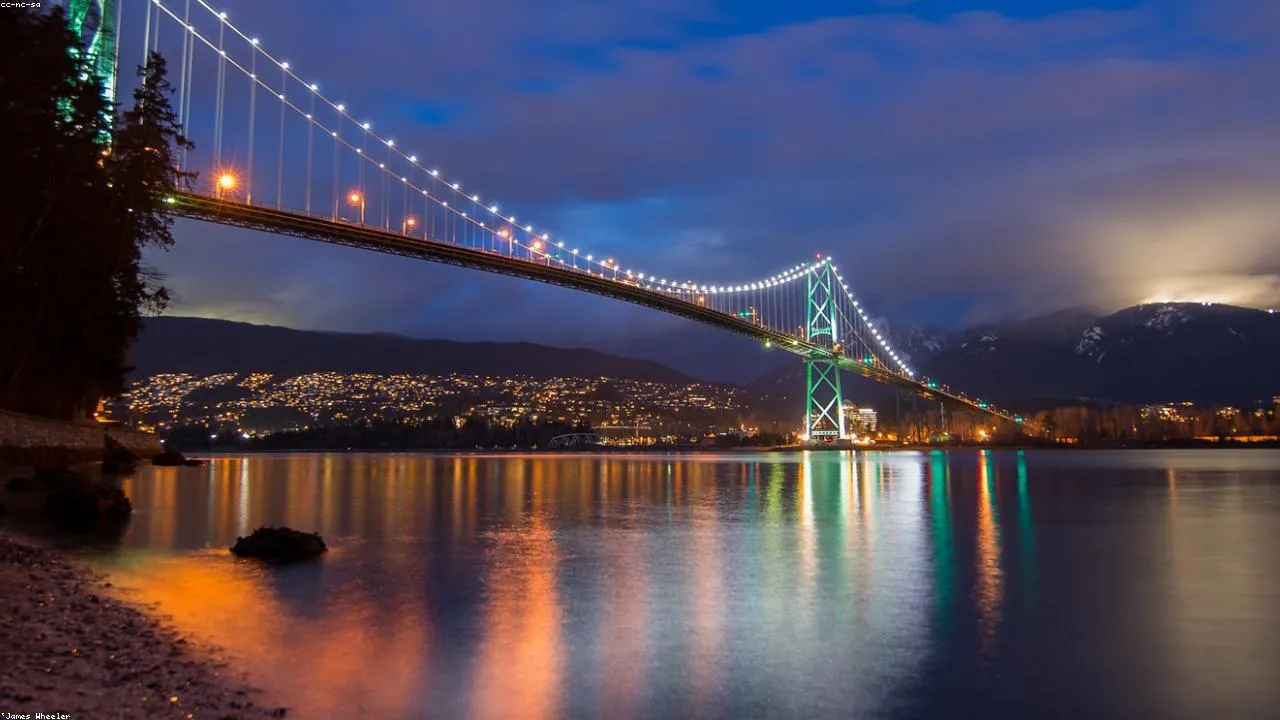
I’ve been to the summit of Mt. Sarakura at least 8 times since moving to Moji-ku, and I still think it’s the single most underrated evening in all of Northern Kyushu. The cable car ride takes six minutes. The city spread below you — steel mills, bridges, the shimmer of the Kanmon Strait — is something that takes a few minutes to process. And yet on weeknights in winter, you can have most of the observation deck to yourself.
This is the complete guide: what makes the view worth the trip, exactly how to get there, which hour to arrive, and what to do if the clouds don’t cooperate.
Why Sarakura matters
In 2003, Mt. Sarakura was officially designated one of Japan’s “New Three Great Night Views” (新日本三大夜景) — alongside Hakodate (Hokkaido) and Nara. The designation was a formal recognition of what locals already knew: the 360° panorama from this 622-meter summit captures an extraordinary density of human infrastructure.
The marketing tagline in Kitakyushu is that the night view is worth “10 billion dollars” — referring to the estimated value of the urban infrastructure visible from the summit on a clear night. The Kitakyushu steel belt, the port cranes, the highway loops, the Kanmon Bridge, and the lights of Honshu across the strait all light up simultaneously at blue hour. It’s a genuinely different scale of city-light view compared to what you get from a Tokyo skyscraper.
What separates Sarakura from, say, a rooftop bar view is the foreground: you’re looking at it from a forested mountain, so there’s no glass between you and the city lights. The air is cooler, the sound is of wind and insects, and the lights start about two kilometers away and extend to the horizon.
Where it sits
Mt. Sarakura is in Yahatahigashi-ku, Kitakyushu — the eastern ward that was historically the industrial heartland of the city. The mountain itself has been considered a sacred site since the Heian period (roughly 9th–10th century), and there’s a small shrine precinct on the slopes. The modern infrastructure came much later: the cable car opened in 1957, and the current observation tower at the summit was built in 2003.
The summit is at 622 meters — high enough for a genuine panorama, low enough that the city lights feel close and detailed rather than distant and abstract.
Getting there — every option
Cable car + slope car (recommended)
This is how 90% of visitors get up, and it’s genuinely the right call unless you’re an experienced hiker.
- Take JR to Yahata Station (8 min from Kokura, ¥200; or on the Kagoshima Line from Fukuoka Hakata, about 45 min total).
- From Yahata Station, take the free shuttle bus to the cable car base station — this runs on weekends and public holidays only. On weekdays, it’s a 15-minute walk or a short taxi ride.
- Take the cable car (6 minutes) to the mid-station.
- Transfer to the slope car (3 minutes) to the summit.
- Round trip ticket: ¥1,230 adults / ¥620 children, purchased at the base station.
Total travel time from Kokura Station to summit: about 30–35 minutes.
Drive + hike
Park for free at the bottom station and hike the trail to the summit. The forest trail takes 60–90 minutes at a moderate pace and is well-maintained. Free parking, free trail — but time it so you arrive before the last cable car down if you want a ride back.
Guided tour (easiest)
Most multi-stop North Kyushu day tours include a Sarakura stop timed for sunset. If you’re based in Fukuoka and want the night view without figuring out the JR + bus combination, this is the most reliable option.
See Mt. Sarakura day tours on Klook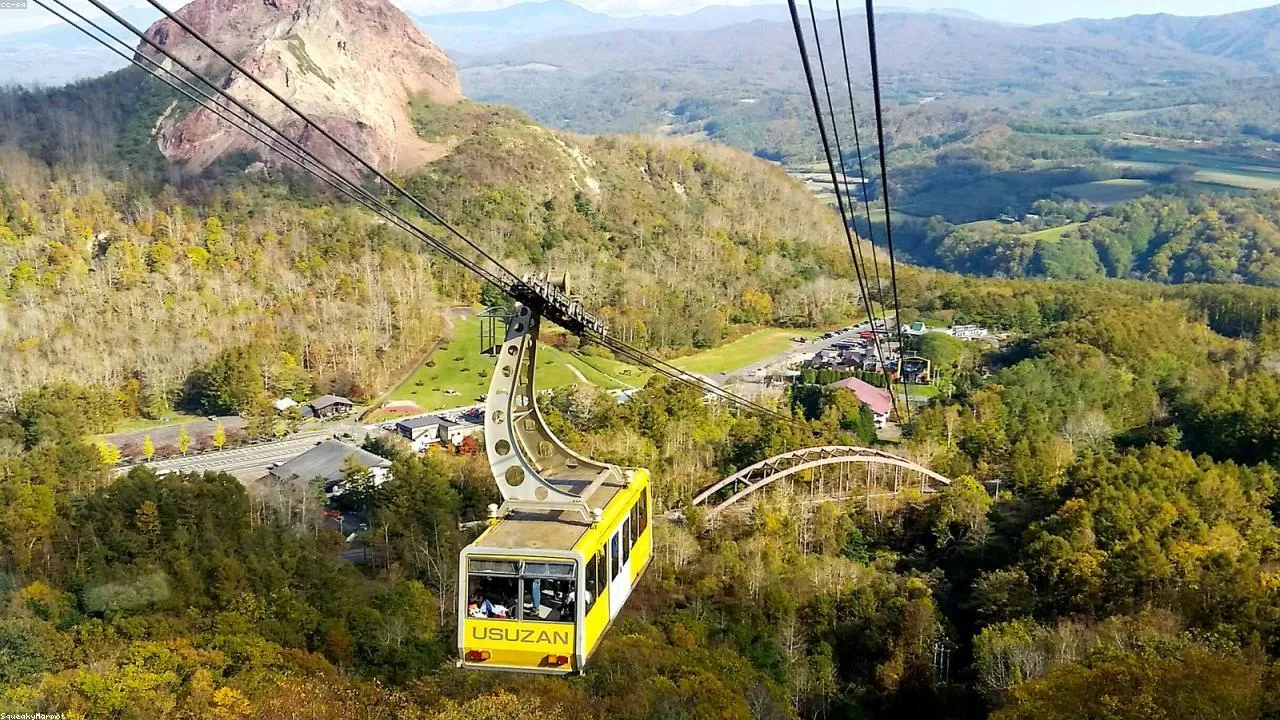
Cable car hours — the detail most people miss
This is the number-one thing to get right before you go. The cable car closes much earlier in winter, and Wednesdays are a day-off outside of peak season.
| Season | First car up | Last car up | Last car down |
|---|---|---|---|
| April–October | 10:00 | 21:20 | 22:00 |
| November–March | 10:00 | 20:20 | 21:00 |
Closed on Wednesdays (outside designated busy periods — Golden Week, Obon, etc.). If your visit falls on a Wednesday, confirm with the official Sarakurayama website before you go.
The night-view window is the last 90 minutes before the last car up. On weekends the cable car queue can be 20–30 minutes long — factor that in. I typically arrive at the base station 2 hours before I want to be at the summit.
What you see from the top
The summit has multiple viewing platforms, and each faces a different world.
North: The Kanmon Strait — the 600-meter-wide channel between Kyushu and Honshu. On clear nights you can make out the outline of Shimonoseki city (Honshu) and the red towers of the Kanmon Bridge. Ships navigate the strait at all hours, their lights tracing slow arcs across the dark water.
East: Kitakyushu downtown — Kokura’s urban core, the Tobata industrial zone, and the lights of the Shinkansen overpass. This is the direction most people photograph because it gives you the classic “city laid out below you” composition.
South: The Yahata district and, on clear days, the karst plateau of Hiraodai visible on the horizon. In winter the mountains behind Yahata sometimes have a faint snow cap.
West: The Genkai Sea coast, with the Kitakyushu city lights fading into the dark water toward Fukuoka. On extraordinary clear nights, the glow of Fukuoka’s own city lights is faintly visible on the horizon, about 60 km away.
Best time to go — by hour and by season
The three phases of evening
Sunset (arrive 90 min before sunset): The sky above the mountains changes color every few minutes. The mid-station has a café and small restaurant — a good place to wait if you arrive early. The city is still visible in daylight but the photographs are flat.
Blue hour (~20 minutes after sunset): This is the magic window. The sky still holds a deep blue gradient from west to east while the city lights are already fully on. You get color contrast, the lights bloom against the sky, and the shapes of the industrial infrastructure are still visible. Every photograph I’ve been happiest with has been from this 20–30 minute period.
Full dark: The official “night view” — and spectacular in its own right — but photographically less interesting than blue hour because the sky is uniform black and the city lights lose their context. Still beautiful, and worth staying for.
By season
- October–February: Clearest air, best visibility. Cold (single digits Celsius at the summit in December–January — bring layers). The low humidity and cold fronts that push through this season produce the sharpest views.
- Spring (March–May): Hazy but cherry blossoms on the lower slopes in late March are a bonus.
- Summer (June–September): More atmospheric haze, but sunset timing is later (more civilized for casual visitors) and the city lights reflected in summer humidity have their own quality.
Photo tips from someone who’s been many times
A few things I’ve learned from eight visits that you won’t find on most travel sites:
Tripods through the fence: The main observation deck has a fence between you and the drop. The vertical bars are far enough apart that a compact tripod can go through them and rest on the outer ledge. This eliminates vibration and gives you the cleanest long-exposure shot. A gorilla-pod or a small travel tripod works best — a full-size tripod won’t fit well.
Don’t default to the east deck: The easternmost deck is the most crowded and faces Kokura, which is the “famous” view. But the northern deck gives you the Kanmon Strait and Honshu shot, which is in my experience the more unusual photograph. Most visitors never walk the extra 40 meters to find it.
Look back down at the slope car: The illuminated slope car track, lit in the dark against the mountain, makes a surprisingly good photograph from the summit deck looking back down the mountain. It’s the shot that shows the infrastructure of getting there, and it’s unique to this mountain.
Phone cameras: iPhone 14+, Pixel 7+ and similar current-generation cameras handle the Sarakura night view extremely well with their automatic night modes. You don’t need a dedicated camera to get a shareable result. A steady hand or the fence trick above still helps.
If the weather’s bad
Cloud cover and rain happen, especially in the rainy season (June–July) and typhoon season (August–September). If you arrive and the mountain is fogged in, don’t wait more than 30 minutes — it rarely clears quickly. Three alternatives within easy reach:
- Mojiko Retro Observation Room (31F, ¥300): Fully enclosed and glass-walled, open in rain. The view over the Kanmon Strait and Shimonoseki is excellent even on grey days. 20 minutes from Sarakura by taxi.
- Kokura Castle illumination (free): The castle keep is lit at night year-round. Ground-level but atmospheric.
- Riverwalk Kitakyushu rooftop (free): Modest view north toward the hills, but it’s warm, free, and in walking distance of Kokura Station.
Practical information
At the mid-station: A café and restaurant serving light meals, coffee, and ramen. Open until 30 minutes before the last cable car. Good option if you arrive early and want to wait for blue hour with a hot drink.
At the summit: Vending machines (hot drinks available), a small café (cash only — see payment note below), and a souvenir shop. Limited menu but adequate.
Accessibility: The cable car and slope car are both wheelchair-accessible. The summit deck is partially accessible on the main level. The outer fence area where tripods work best involves a narrow passage — manageable for most mobility levels.
Dogs: Small dogs in carriers are permitted on the cable car and slope car.
Wi-Fi: Free Wi-Fi is available at the summit station.
Payment: Credit cards (Visa, Mastercard) are accepted at the base station ticket counter. The summit café is cash only — bring ¥500–1,000 in coins and small bills.
Korean visitor specifics
Mt. Sarakura is well-known among Korean travelers: the 신일본 3대 야경 (New Three Great Night Views) designation is frequently cited in Korean travel media and among golf travelers doing Northern Kyushu evenings. Some Korean-language signage is available at the cable car ticket counter.
Payment: Korean Visa and Mastercard cards work fine at the base station ticket booth. The summit café is cash only — Japanese yen.
If you’re flying Busan–Fukuoka (about 1 hour), it’s entirely feasible as a day trip or as an evening add-on to a Northern Kyushu golf or food itinerary. From Fukuoka Hakata Station, plan about 50 minutes to the cable car base.
Private Sarakura + Motonosumi Shrine tour on KlookWhat’s at the bottom
The Yahata Heritage area around the cable car base has a small park and the trailhead for hikers. If you have time before or after, the TOTO Museum — dedicated to the Japanese bathroom fixtures company founded in Yahata — is about 15 minutes away and genuinely fascinating as an industrial design museum.
The Yahata district also has several good ramen spots if you’re hungry before or after the ascent.
Getting there from further away
- From Fukuoka (Hakata): Shinkansen to Kokura (16 min, ¥1,470) + JR to Yahata (8 min, ¥200) + shuttle/walk to base. Or JR Kagoshima Line direct to Yahata (~45 min, ¥1,290). Total door-to-base: about 55–65 minutes.
- From Busan: Ferry to Hakata (3.5 hr by JetFoil) or fly Busan–Fukuoka (1 hr), then as above. Many Korean visitors do this as a 2-day Fukuoka–Kitakyushu trip.
- From Shimonoseki: JR across the Kanmon Tunnel to Kokura (15 min), then as above. Fastest connection to Sarakura from Honshu.
Frequently asked questions
How much is the cable car? Round trip ¥1,230 adults, ¥620 children. No separate summit entry fee.
Can I hike instead of taking the cable car? Yes — the hiking trail from the base takes 60–90 minutes and is free. Many hikers take the trail up and the cable car down.
Is there parking at the base? Free parking at the base station. Capacity is limited on busy weekends — arrive before 16:00 or use public transit.
What’s the best angle for photography? Blue hour, northern deck for the strait view, east deck for the city. Tripod through the fence rail for long exposure.
Can I visit Mt. Sarakura in one day from Fukuoka? Comfortably, yes. The Karato Market + Mt. Sarakura day tour is a well-tested combination that covers both in a single day from Hakata.
If you want this view without figuring out the cable car timing, see the Karato Market + Mt. Sarakura day tour from Fukuoka or browse all Northern Kyushu day tours.
For the broader picture, the Kitakyushu Yahata district guide covers what else is in this part of the city. And if you’re planning a full Kitakyushu evening that starts earlier, Kokura Castle pairs well with Sarakura — castle in the afternoon, night view in the evening. For trip connectivity, see the Japan eSIM guide so you have data for navigation on the mountain.
Book the Karato + Sarakura day tour on KlookFAQ
How much does the Mt. Sarakura cable car cost?
Round trip is ¥1,230 for adults and ¥620 for children. This covers both the cable car (6 min) and the slope car (3 min) to the summit. There is no separate entry fee for the summit itself.
What are the Mt. Sarakura cable car operating hours?
April–October: 10:00–22:00 (last ride up at 21:20). November–March: 10:00–21:00 (last ride up at 20:20). Closed on Wednesdays outside peak season — always check the official site before visiting.
How do I get to Mt. Sarakura from Kokura or Fukuoka?
From Kokura Station: take JR to Yahata Station (8 min, ¥200), then a free weekend shuttle bus or 15-min walk to the cable car base. From Fukuoka Hakata Station: Shinkansen to Kokura (16 min) then same as above, or direct JR Kagoshima Line to Yahata (about 45 min total).
What is the best season to visit Mt. Sarakura for the night view?
October through February offers the clearest skies and sharpest night views. Spring and summer tend to have more atmospheric haze. Any clear evening is worth it, but autumn and winter nights have the best visibility.
What if it's cloudy or raining on my planned visit day?
Head to the Mojiko Retro Observation Room (31F, ¥300, fully indoor and open in rain), or enjoy Kokura Castle's illumination for free. Both are solid fallbacks within 30 minutes of Sarakura.