Fukuoka Foodie + Culture Day Tour: Karato Sushi, Kokura Castle, Dazaifu (2026 Review)
Honest review of the Fukuoka foodie-meets-culture day tour — fugu sushi at Karato Market, Kokura Castle, and Dazaifu Tenmangu in one day from Hakata.

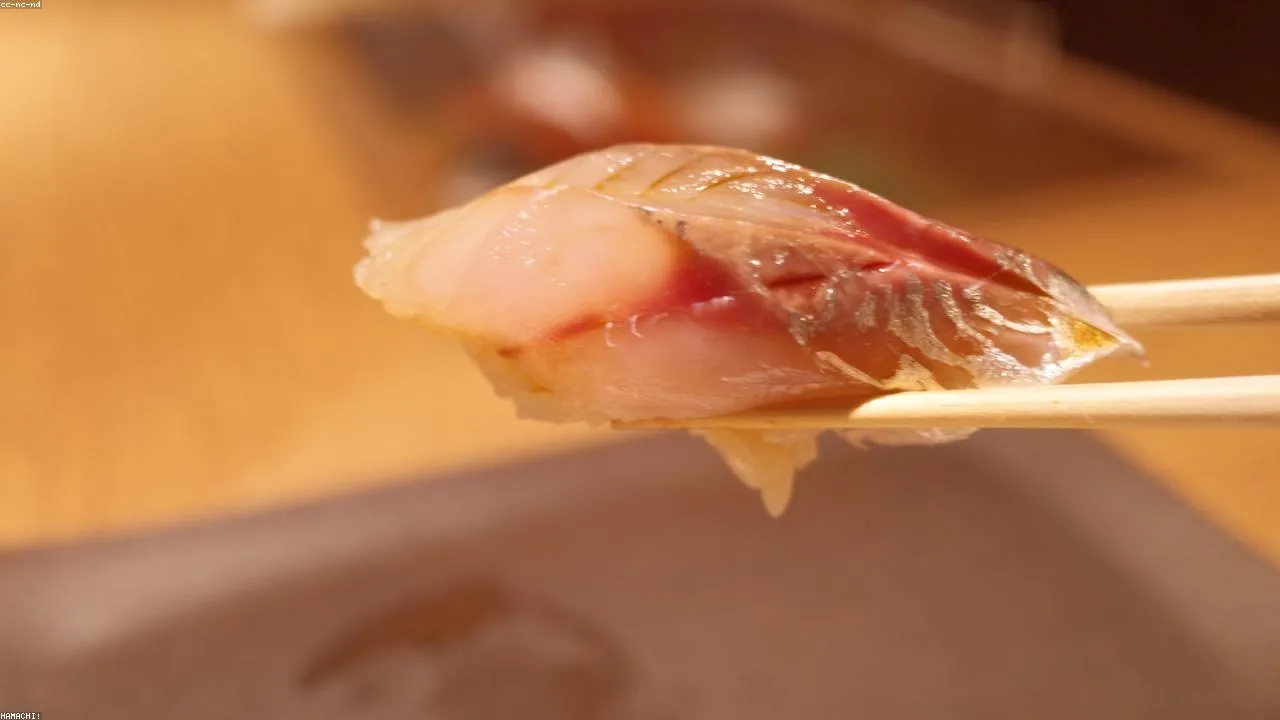
Most day tours out of Hakata ask you to pick a lane: food tour or sightseeing tour. This one doesn’t. In a single day you get fugu sushi at one of Japan’s most animated fish markets, a medieval castle that survived three sieges, and the most-visited shrine in Kyushu. The blend sounds ambitious, but the geography cooperates — Karato, Kokura, and Dazaifu form a rough triangle that a well-paced guide can connect without anyone feeling rushed.
Here’s an honest breakdown of what you actually experience, who it suits, and when doing it yourself makes more sense.
What makes this tour different from the standard sights-only options
Plenty of tours swing through Dazaifu or include a stop at Mojiko’s waterfront. Fewer actually take you inside Karato Market’s Iki-iki Bakangai system — the weekend-only event format where each fish counter runs its own tiny counter service, and you assemble your own tasting plate by walking the rows. Without a guide, first-timers often hover near the entrance and end up at the same two obvious stalls. With a guide who knows the market layout, you skip straight to the fugu counter, the seasonal uni tasting, and the tuna that the regulars queue for.
Add Kokura Castle as a midday anchor — the only surviving original castle tower in northern Kyushu — and Dazaifu Tenmangu as a late-afternoon destination (historically significant as the burial site of the scholar-deity Sugawara no Michizane, and practically significant as the place Kyushu students visit before exams), and the day has genuine variety. You’re not repeating the same genre of experience three times.
Book the Fukuoka Foodie + Culture day tour on KlookRoute at a glance
08:30 — Hakata Station pickup (Hakata exit, guide holds a sign)
~09:30 — Arrive Karato Market, Shimonoseki. The Iki-iki Bakangai covered hall opens at 10:00 on weekends; the guide will walk you through which counters are worth the queue. Budget 90 minutes here — you want time to eat slowly and look around.
~11:30 — Brief photo stop at Mojiko Retro waterfront. This is not a full Mojiko experience; it’s ten minutes with a view of the Kanmon Strait. If you want the full Mojiko wander, that’s a separate trip.
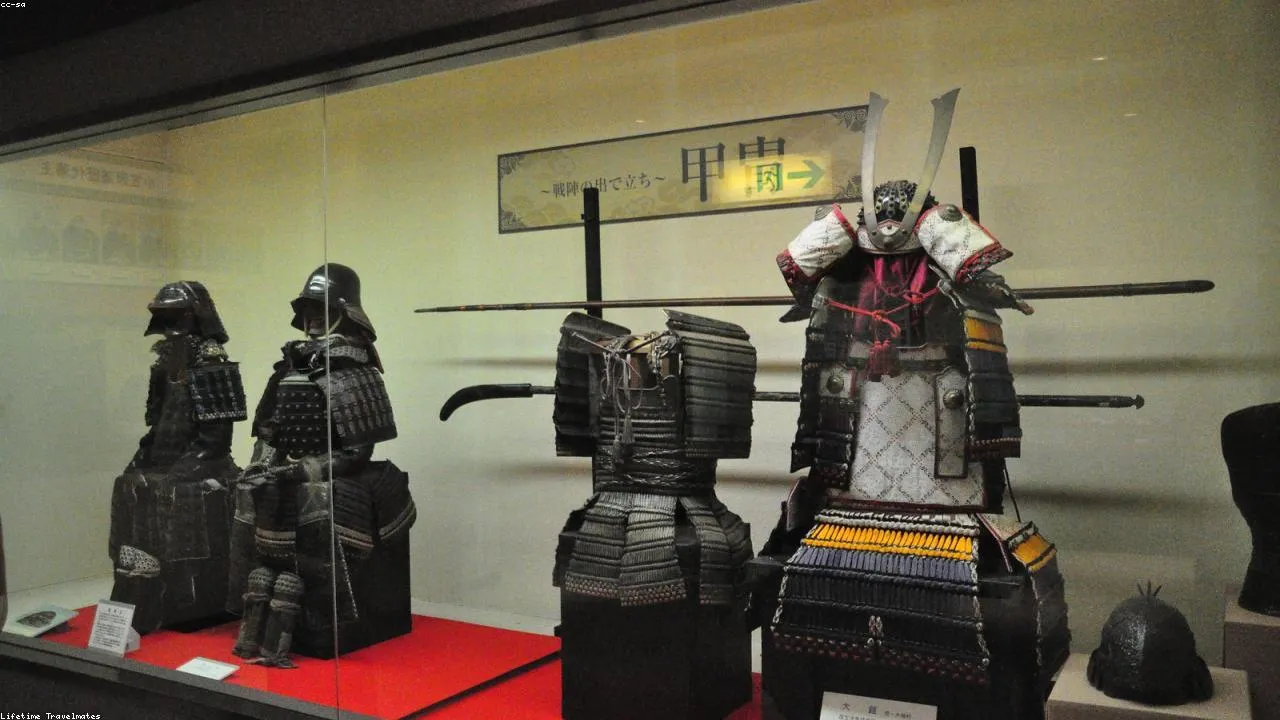
~12:00–13:00 — Kokura Castle. The castle tower takes about 45–60 minutes end to end. The fifth-floor panorama faces south over Kokura’s compact city grid and north toward the Kanmon Strait. The adjacent Japanese garden (Katsuyama Park) is worth a circuit if the timing allows.
~14:00 — Drive south toward Dazaifu (approximately 1 hour depending on traffic).
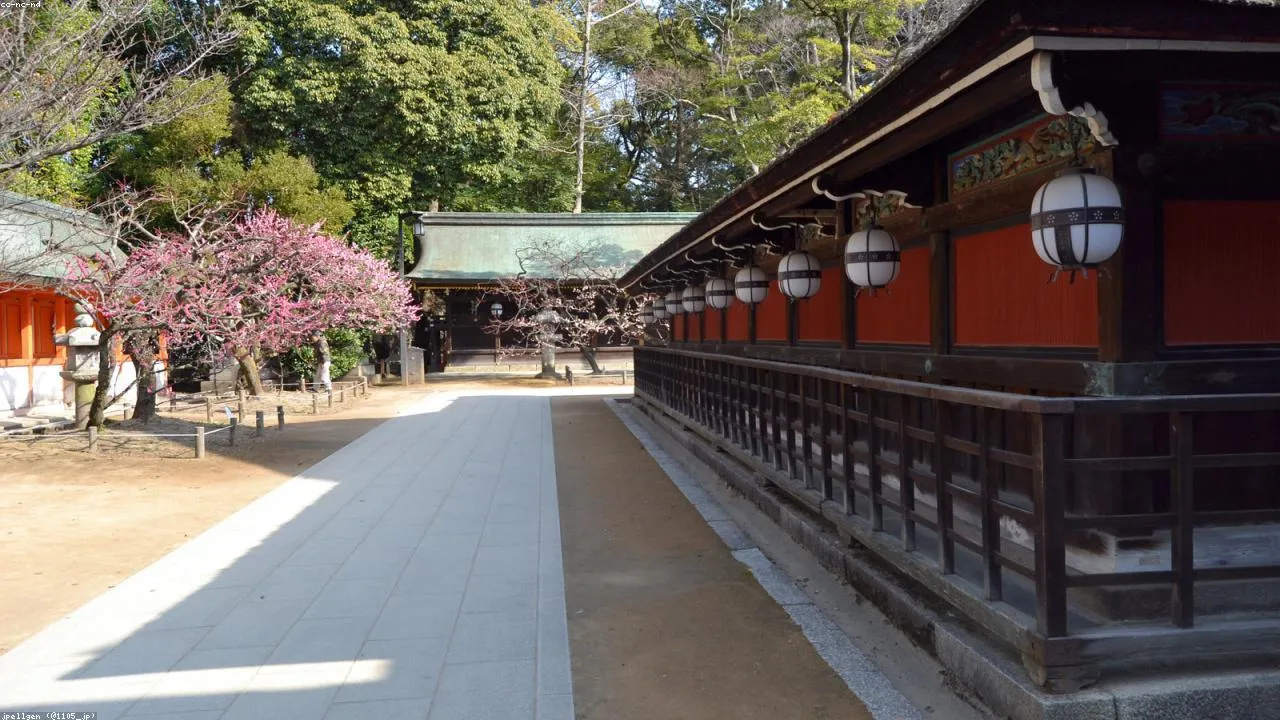
~15:00–16:30 — Dazaifu Tenmangu and the Omotesando arcade. The shrine grounds take about 30–40 minutes at a comfortable pace: the arched Taiko bridges over the pond, the plum blossom trees (if you’re visiting in late January through March, these are extraordinary), and the main hall itself. The Omotesando arcade has the best concentration of umegae-mochi (grilled rice cake with sweet bean paste, the local specialty) shops in Japan, including the famous Starbucks in the Kengo Kuma-designed building.
~19:00 — Return to Hakata Station.
What you actually eat at Karato
The Iki-iki Bakangai market hall runs on weekend mornings and lunchtime — if you’re visiting on a weekday, the hall is quieter and some counters don’t open. The tour is designed around weekend operation; check the specific tour day when booking.
The format: each fish counter prepares 1–2 piece servings for ¥500 each. You take a small plate, walk the rows, and pick what interests you. This is how locals do it. The counters that regularly come up as highlights:
- Fugu nigiri — Karato is one of the main processing points for fugu (blowfish) in Japan, and the sushi here is fresh in a way that restaurant fugu rarely is. One or two pieces at ¥500 is the entry point; three pieces is the proper tasting portion.
- Tuna sashimi — Look for the counters near the centre of the hall; the tuna is cut to order and the quality is markedly higher than standard supermarket trays.
- Sea urchin (uni) — Seasonal, and often sold out by noon. The guide can tell you which counters had stock that morning.
- Salmon roe (ikura) — Served on a small bowl of vinegared rice; one of the best ¥500 bites in the market.
Total spend for a proper lunch: ¥3,000–5,000. This is not included in the tour price and is paid directly to each stall. Bring cash — not all stalls take cards.
Book the tour
At approximately ¥13,000 per person, this tour covers transport, guide time, and all site entries. Lunch at Karato is the main additional cost (budget ¥3,000–5,000 as above).
Book the Fukuoka Foodie + Culture day tour on KlookWho this tour suits
First-time visitors to Fukuoka who want variety rather than depth. If you’ve got two or three days in the city and want to see what the wider Kyushu region offers without committing to multiple train bookings, this covers northern and central Kyushu landmarks efficiently.
Food + culture travelers who find pure sightseeing tours tedious and pure food tours shallow. The balance here is about 40% food experience (Karato) and 60% historical/cultural (Kokura and Dazaifu combined) — that’s a ratio most people find satisfying rather than feeling like a compromise.
Travelers who don’t want to navigate Karato’s market system alone. The Iki-iki Bakangai format is unusual even by Japanese market standards: dozens of independent counters, a mix of labeled and unlabeled pricing, and the unspoken etiquette of which tray goes where. A guide who’s taken people through it dozens of times removes the “where do I even start” friction.
Anyone visiting Dazaifu for the first time who wants context beyond what the information boards say. Sugawara no Michizane’s story — ninth-century court scholar, accused of conspiracy, exiled to Dazaifu, died in disgrace, then deified after a series of natural disasters hit Kyoto — is one of the stranger arcs in Japanese history, and the shrine makes considerably more sense once you know it.
Skip this tour if
You only want the food experience. If Karato Market is the goal and the rest is filler, just go to Karato directly. From Hakata: Shinkansen to Kokura (16 min, ¥1,470) then JR to Mojiko (13 min, ¥280) then walk the Kanmon pedestrian tunnel (free, 15 min) or take the ferry (¥400). You’ll have more time at the market and can leave when you’re done eating.
You want quality time at Dazaifu. The tour allocates approximately 75 minutes at Dazaifu Tenmangu, which is enough to see the main shrine and walk the Omotesando. It is not enough to explore the Kanazawa Bunko art holdings at Kyushu National Museum next door, to wander the secondary shrines on the hillside, or to do the full circuit of the grove at a slow pace. If Dazaifu is the reason you’re in Fukuoka, give it a full half-day on its own. See our Dazaifu guide for the self-guided layout.
You’ve already done Kokura Castle. The castle is the thinnest stop on this itinerary — 45–60 minutes is not a lot, and if you’ve been before, you’re spending tour time on something you’ve seen. The Sarakura + Karato tour (different Klook listing) skips Kokura entirely and focuses on Karato + Mojiko + Mt. Sarakura’s night view, which may be a better use of a day.
DIY alternative
The route is self-navigable if you’re comfortable with a few transfers and tight timing:
Hakata → Kokura: Shinkansen from Hakata Station (16 min, ¥1,470 unreserved). Or JR limited express (~55 min, ¥1,290).
Kokura → Mojiko → Karato: JR Kagoshima Line from Kokura to Mojiko (13 min, ¥280), then walk the Kanmon undersea pedestrian tunnel (free, 15 min) to Karato. Or take the ferry (5 min, ¥400) — more scenic.
Kokura Castle: Walk from Kokura Station, 15 minutes.
Hakata → Dazaifu: Nishitetsu Fukuoka (Tenjin) Station → Dazaifu Station, limited express + transfer at Futsukaichi, approximately 30 minutes, ¥420. Note this departs from Tenjin, not Hakata — allow time for that transit if you’re coming from the Shinkansen.
Total transit costs: approximately ¥4,000. Timing is tight if you want all three stops in one day — the Karato–Kokura–Hakata–Dazaifu sequencing means roughly 3 hours of transit in a 10-hour day, leaving a thin margin if any leg runs late.
If the train logistics are straightforward for you, DIY is perfectly viable. If you’d rather not watch the clock: see all tours from Fukuoka and Kitakyushu on the tours hub.
Before you travel, make sure you have data for Japan — the meeting point confirmation and any schedule changes come via your booking app. See our Japan eSIM guide if you haven’t sorted that out yet.
Photo notes
Karato Market: The photogenic moments are at the counters themselves — the trays of fugu arranged on ice, the counter staff in white aprons with hand-lettered price signs. Get there early (before 10:30) before the hall fills up and the background becomes heads instead of stalls. Most vendors are fine with quick photos of the food.
Dazaifu Tenmangu bronze bull: There are several bronze bull statues (koushingyu) scattered across the shrine grounds. The one nearest the main hall is the most famous — the nose and flanks are worn smooth and bright gold from decades of students rubbing them before exams (the prayer is for exam success, which the shrine deity is associated with). The contrast between the worn gold and the patinated bronze makes for a distinctive close-up.
Kokura Castle south wall: The castle faces south across Katsuyama Park. Late afternoon light hits the white plaster walls directly, which brings out the shadow lines of the stone base. This is also the side with the most open space for a full-frame shot without power lines in the frame.
Booking and cancellation
Check current price and availability on KlookKlook’s standard cancellation policy is free cancellation up to 72 hours before departure. Confirm the specific window on the listing page before booking. Confirmation is typically instant; you’ll receive a voucher to show the guide at Hakata Station.
The tour runs rain or shine. Weather risk is low on this itinerary (unlike Sarakura, there are no viewpoints that fog out completely) — the main rain concern is Dazaifu’s gravel path becoming muddy, which is minor.
Weekend departures are recommended for the full Karato Iki-iki Bakangai experience. On weekdays the market runs a scaled-down version with fewer counters — worth checking with the operator which itinerary variation applies.
FAQ
What makes this tour different from standard sightseeing tours? The combination of food (fugu sushi at Karato), history (Kokura Castle, the only original castle tower in northern Kyushu), and shrine culture (Dazaifu Tenmangu, Kyushu’s most-visited shrine) in one day. Most tours pick one genre; this one stacks three.
What is the tour route? Hakata Station 08:30 → Karato Market, Shimonoseki (sushi lunch, ~90 min) → Mojiko photo stop → Kokura Castle (45–60 min) → Dazaifu Tenmangu + Omotesando arcade (~75 min) → return Hakata ~19:00.
How much does the Karato fugu cost? ¥500 per 1–2 piece serving at individual stalls. Budget ¥3,000–5,000 for a full lunch spread. This is separate from the tour fee.
What does the tour cost? Approximately ¥13,000 per person on Klook (ID 170647), not including your market lunch spend.
Can I do this as a DIY trip? Yes — Shinkansen + JR + Nishitetsu rail covers all the connections for roughly ¥4,000. It’s tight to fit all three stops in one day without a guide pacing the timing, but manageable if you’re comfortable with transfers.
Three very different types of Japan experience, one well-paced day. If that’s what you’re after:
Book the Fukuoka Foodie + Culture day tour on KlookBooking through this link supports KitaQ.Travel’s original research and photography at no extra cost to you.
Browse all day-tour options from Fukuoka and Kitakyushu on the tours hub.
FAQ
What makes the Fukuoka Foodie + Culture day tour different from other tours?
Most Fukuoka tours are either pure sightseeing or pure food experiences. This one stacks three very different angles — fugu sushi at Karato Market (food), Kokura Castle (feudal history), and Dazaifu Tenmangu (shrine culture and Kyushu's biggest pilgrimage site) — all in one loop from Hakata, with a guide who handles all the timing and navigation.
What is the route for the Fukuoka Foodie + Culture day tour?
Hakata Station pickup at 08:30 → 1-hour drive north to Karato Market in Shimonoseki for sushi lunch → brief Mojiko photo stop → Kokura Castle (45–60 min) → 1-hour drive to Dazaifu → Dazaifu Tenmangu + arcade walk → return to Hakata around 19:00.
How much does the fugu sushi cost at Karato Market?
Karato's Iki-iki Bakangai operates on a walk-and-pick system: individual counters sell 1–2 piece servings for ¥500 each. Budget ¥3,000–5,000 for a proper spread covering fugu nigiri, tuna sashimi, sea urchin, and salmon roe. This is on top of the tour price and is paid directly to each stall.
How much does the Fukuoka Foodie + Culture tour cost on Klook?
The tour (Klook ID 170647) is approximately ¥13,000 per person. This covers transport, guide, and all site entries except Karato Market food spend (budget ¥3,000–5,000 separately for lunch).
Can I do the Karato–Kokura–Dazaifu route as a DIY trip?
Yes, but it's tight. Hakata to Kokura by Shinkansen (16 min, ¥1,470), then JR to Mojiko (13 min, ¥280) and walk the Kanmon pedestrian tunnel or take the ferry (¥400) to Karato. Then back to Kokura for the castle, then Hakata by Shinkansen, then Nishitetsu limited express to Dazaifu (~30 min each way, ¥420). Total transit roughly ¥4,000 but you'll be watching the clock all day — the guide's role here is mostly about pacing, not interpretation.