Where to Eat in Kokura: 18 Must-Try Restaurants and Local Specialties (2026)
Kokura is Kyushu's most underrated food city — yakiudon's birthplace, kakuuchi standing bars, Tanga Market, late-night ramen. 18 places we actually eat at, plus what to order.

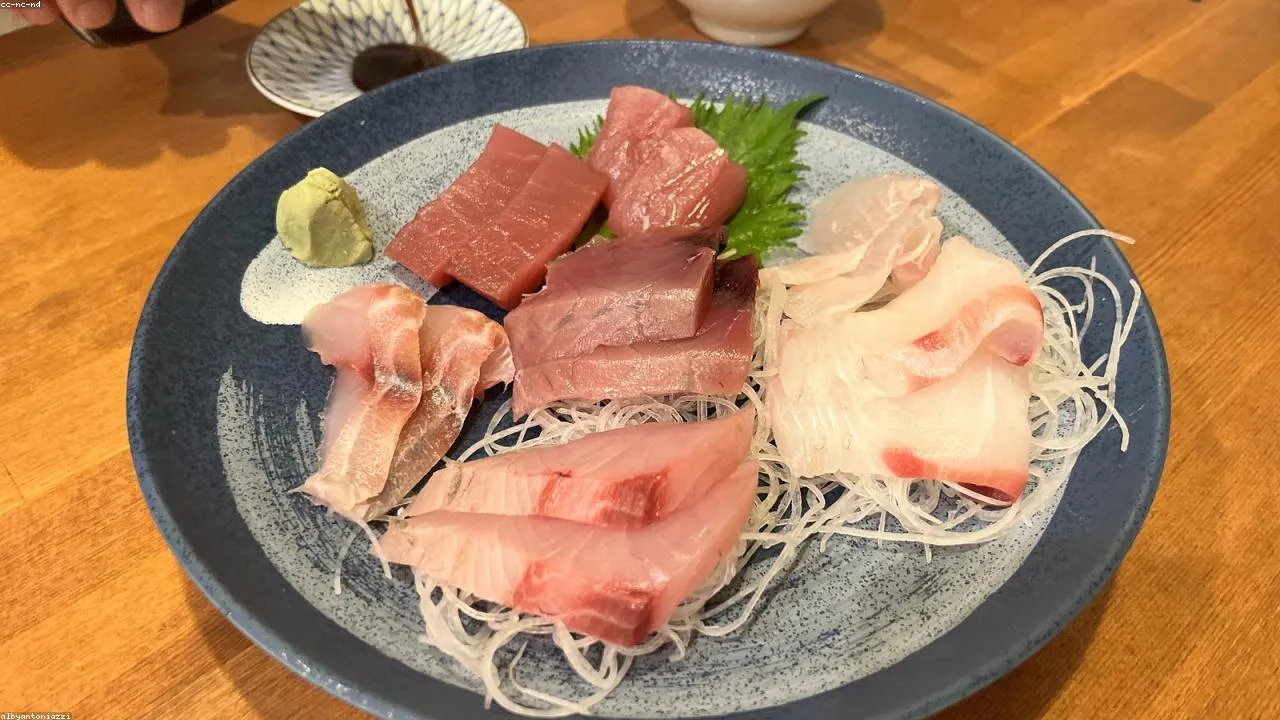
Kokura doesn’t market itself as a food city. It doesn’t need to. This is where yakiudon was invented in 1945 when a ramen shortage forced a local chef to use udon noodles instead. It’s where kakuuchi — standing-at-the-liquor-store-counter bar culture — is most concentrated in Japan. And it has Tanga Market, one of the last functioning daily covered markets in urban Kyushu.
I live in Moji-ku and eat my way through Kokura most weeks. Here are the 18 places I’d tell you to actually go — organized by category, with practical details on what to order, what to pay, and whether they take cards.
Kokura’s Local Specialties: What to Eat
Before the restaurant list, a quick brief on what makes Kokura’s food scene distinct:
Yakiudon (焼きうどん): Stir-fried udon noodles with pork, cabbage, and a soy-based tare. The origin story: in 1945, fresh ramen noodles were unavailable at a Kokura restaurant called Daruma-do, so the chef substituted udon. The dish spread across Japan from here. You can still eat at Daruma-do on Uomachi; look for the 発祥 (birthplace) marker on the sign.
Tetsu-nabe gyoza (鉄鍋餃子): Dumplings cooked in a round iron skillet and served directly in it, rather than the flat-pan style typical in Tokyo or Osaka. The skillet keeps them sizzling at the table. Multiple shops on Uomachi have been doing this for 40+ years.
Sukesan Udon (資さんうどん): A regional Kyushu chain headquartered in Kokura, recognizable by its cream-and-orange signage. The broth is softer and sweeter than Tokyo udon — a proper introduction to the Kyushu style. Order the “goboten udon” (burdock root tempura udon) as the house specialty. Open 24 hours at most locations.
Kokura ramen: Lighter tonkotsu than Hakata’s signature white soup — some shops run closer to a clear soy-and-pork hybrid. If you’ve only eaten in Hakata, Kokura ramen is a worthwhile comparison.
Kakuuchi (角打ち): Not exactly a food — but the standing-bar culture built around cheap poured drinks (¥300–600 per cup) and small plates (¥200–500 each) is inseparable from how Kokura people eat and drink. More on this below.
Tanga Market food walk: The covered market runs individual stalls selling ready-to-eat food — tamagoyaki, fresh tofu, grilled fish, yakiudon. Budget ¥500–1,000 for a proper market walk with stopping-and-eating.
18 Restaurants We Actually Eat At
Yakiudon (4 restaurants)
1. Daruma-do (だるま堂) The original. Founded in 1945, this is where yakiudon claims its birthplace; the sign at the entrance says so. The dish is faithful to the original: thick udon noodles in a lightly sweetened soy tare with pork and cabbage, finished on a flat iron griddle. Queue on weekends (20–30 min). Order the classic yakiudon (¥800). Cash only. On Uomachi, 15 min walk from Kokura Station. Closed Monday.
2. Jikasei Udon Kamitani (自家製うどん かみたに) Less famous than Daruma-do but does its own house-made fresh noodles that hold the tare differently — more texture, slightly chewy. Lunch service only (11:00–14:00), closes when noodles run out. Expect to arrive by 12:00. ¥750–900. Card accepted. Near Tanga Market.
3. Tanga Market stall (旦過市場内 屋台) Several stalls inside Tanga Market serve yakiudon to eat standing or on a small bench outside. The atmosphere is the point: surrounded by morning shoppers, eating from a paper plate. ¥600–700 per serving. Cash only. Best before 13:00 before the market crowd thins.
4. Yakiudon no Mise Kurosawa (焼きうどんの店 黒沢) A small counter shop near the Heiwa-dori arcade. Less touristic than Daruma-do, quieter at lunch, and the tare has a slightly smokier profile. Open lunch and dinner. ¥750. Cash preferred, IC cards accepted.
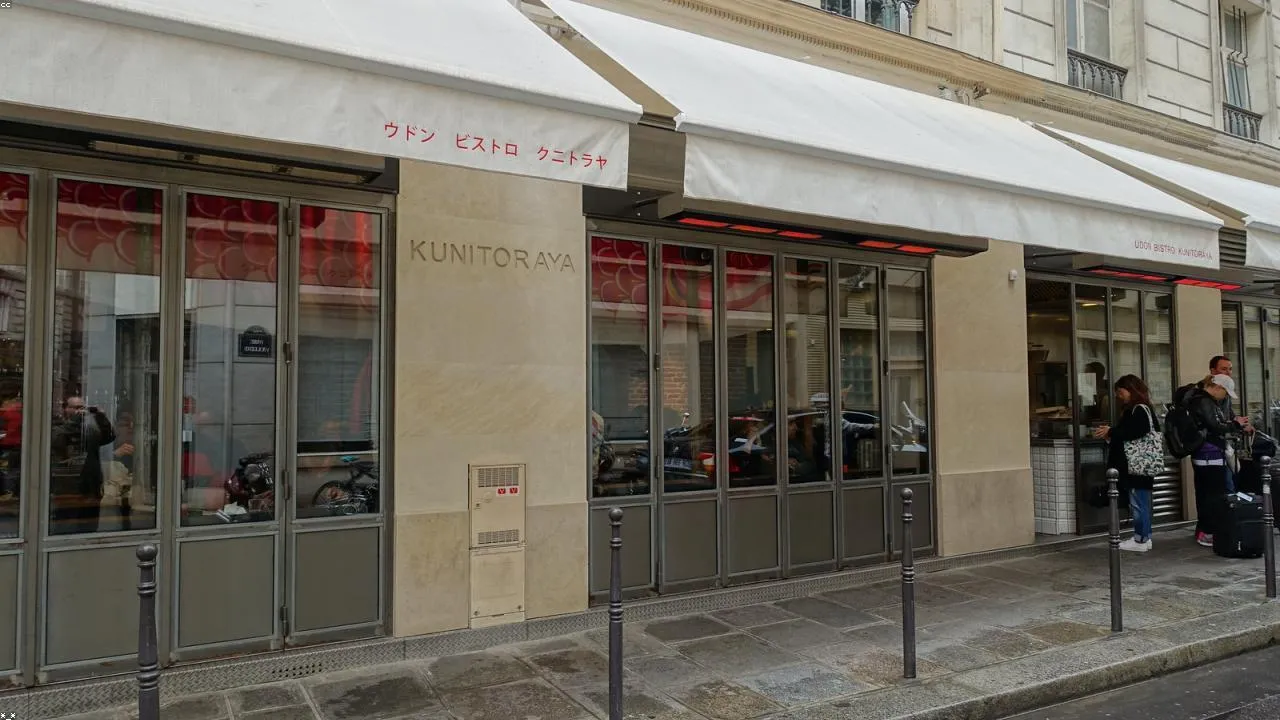
Ramen (4 shops)
5. Men-ya Takemoto (麺屋たけもと) Probably the best single bowl of ramen in central Kokura: a semi-clear pork-and-chicken broth with a clean finish, thin straight noodles, and house-made chashu. Counter seating only (9 seats). Lunch-focused but open until 20:00. ¥900–1,100. Card accepted. 10 min walk from Kokura Station south exit.
6. Shin-Shinken (新新軒) Operating since 1950 and one of the oldest ramen shops in the city. The broth is closer to Hakata style but with a lighter body and a slightly sweet aftertaste from the tare. The charsiu rice (チャーシューご飯) as a side is non-negotiable. Open until midnight most nights. ¥750–950. Cash only.
7. Hakata Ippudo Kokura Branch (博多一風堂 小倉駅前店) The famous Fukuoka chain’s Kokura outpost, in the Kokura Station building. Not the most local option, but reliably good, English menu available, and open until 23:00 — useful if you’re catching a late train. ¥1,000–1,400. Card accepted. English menu.
8. Yoru no Ramen (夜のラーメン) Open only from 23:00 to 5:00 AM — the post-kakuuchi crowd’s regular. Broth is richer and saltier than the daytime shops, probably intentionally calibrated to the after-midnight customer. Four bar stools and a standing counter. One-item menu: shio tonkotsu, ¥800. Cash only. Near the south exit of Kokura Station.
Kakuuchi Standing Bars (3 venues)
9. Maruyoshi Sake Store (丸吉酒店) The most atmospheric kakuuchi in Kokura: the actual shop still functions as a liquor store, and you drink at a wooden counter in the back with no sign distinguishing it from a purchase transaction. Sake by the cup from ¥300, shochu ¥350. Small plates — miso grilled fish, pickled vegetables — from ¥200. Cash only. Uomachi. Open from 16:00.
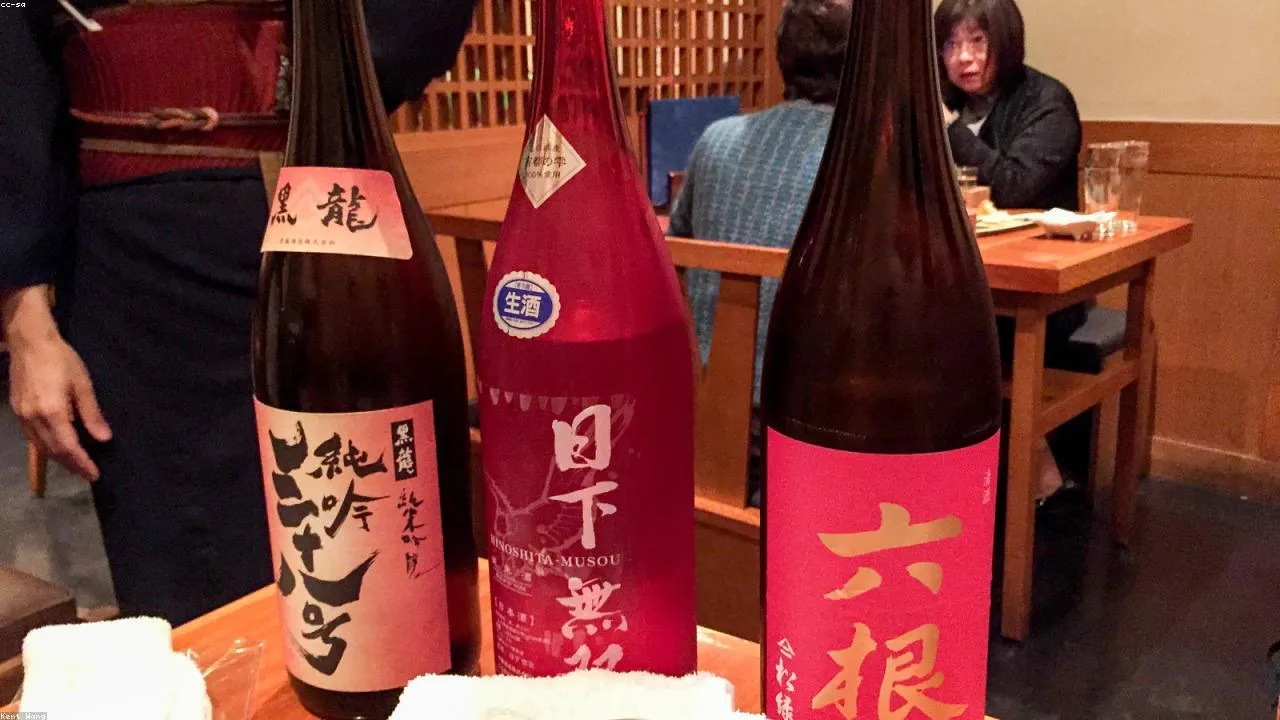
10. Kakuuchi Torishi (角打ち鳥士) A kakuuchi that’s evolved toward a small izakaya in all but name: you’re still standing, but there’s an actual written menu and a wider selection of local craft sake and shochu. Grilled chicken skewers ¥200–350. Yakiudon is also on the menu. Open 17:00–23:00. Cash only. Heiwa-dori adjacent.
11. Sake-dokoro Tanaka (酒処 田中) A clean, well-lit kakuuchi that’s easier for first-timers — the staff are accustomed to visitors who aren’t regulars. Kyushu shochu selection is solid (ask for the Iki-island mugi shochu). Drinks from ¥350. Open 15:00–22:00. Cash preferred.
Izakaya (4 venues)
12. Kawabata Izakaya (川端居酒屋) Long-running local izakaya near the castle precinct, popular with office workers on weekday evenings. Good selection of locally-caught sashimi alongside the standard izakaya menu. The mentaiko (spicy cod roe) small plate is a must-order. Sets from ¥1,500. Most cards accepted. Open 17:00–23:00.
13. Sakagura Hanakura (酒蔵 花倉) A more upscale izakaya with a curated local sake list including labels from Kokura’s own small producers. The sashimi is better here than anywhere else on this list. Budget ¥3,000–4,000 with drinks. Reservation recommended on weekends. Card accepted. English menu available.
14. Toriwasa (とりわさ) Chicken specialist: yakitori, chicken sashimi (toriwasa — raw chicken, a Kyushu specialty that requires fresh supply chains; if unfamiliar, ask staff), and motsunabe (offal hot pot). Counter and small tables. ¥1,500–2,500 with drinks. Cash only. Near Uomachi. Open 18:00–midnight.
15. Izakaya Maboroshi (居酒屋 まぼろし) Reliable everyday izakaya. Good for groups. The house specialty is the “Kokura miso nabe” (a miso hot pot with local pork). English menu posted at the entrance. ¥1,000–2,000. Card accepted. 8 min walk from Kokura Station.
Sushi and Seafood (3 venues)
16. Sushi Iwa (寿司 岩) The best nigiri sushi within walking distance of Kokura Station. Counter only (10 seats). The fish comes direct from Karato Market in Shimonoseki — an hour away on the other side of the Kanmon Strait. The market connection is real: the owner makes the trip three times a week. Omakase set from ¥3,500 at lunch, ¥6,000+ at dinner. Reservation required for dinner. Card accepted.
17. Kaisen-don Kokura (海鮮丼 小倉) Seafood rice bowl specialist — a step down in formality from Sushi Iwa but excellent value. The “tokumori kaisen-don” (premium bowl) at ¥1,800 has six toppings including sea urchin and ikura when available. Lunch queue common; arrive before 11:45. Card accepted. Near Riverwalk.
18. Suisan (水産) Informal seafood izakaya with direct connections to the Kanmon Strait fishing boats. The grilled mackerel (saba shioyaki) and the daily fresh sashimi plate are the anchors of the menu. Budget ¥1,500–2,500. Cash only. Open from 17:00. Near Heiwa-dori.
Tanga Market Stall Walk
Tanga Market is a food destination in its own right. Here are five specific stalls worth stopping at on a market walk:
Tofu shop (north entrance): The freshest tofu in Kokura, sold in blocks cut to order from open tubs. The “warm silken tofu” (yudofu) served with a small dish of soy and ginger is ¥150 and takes 60 seconds to prepare. Get it first before the market heat reduces your appetite.
Tamagoyaki stall (central lane): The rolled omelette stall with the highest foot traffic is usually the right one. Watch it made on the curved pan, eat it directly. ¥150–200 per portion. The dashimaki version (broth-infused) is sweeter and worth the slight extra.
Kara-age (fried chicken) stall: Multiple stalls sell Kitakyushu-style kara-age — a slightly sweeter marinade than standard. ¥100–150 per piece. Eat immediately; they go cold fast.
Yakiudon stall (east lane): See above in the restaurant list. The stall version is earthier than the restaurant version. More fun.
Tsukemono (pickle) specialist: The wall of pickle jars at the back of the market is worth a stop even if you don’t buy. The seller usually lets you taste; the karashi (mustard) daikon is the one to try.
Open: 8:00–18:00. Best: weekday mornings (9:00–11:00) when the market is most active.
Late-Night Kokura
After midnight, the food options narrow but don’t disappear:
Yoru no Ramen (see above, #8): 23:00–5:00 AM. The only ramen I’d walk to after midnight.
Sukesan Udon (資さんうどん): Several locations near Kokura Station are open 24 hours. The burdock tempura udon at 2:00 AM is a specific pleasure.
Convenience store onigiri: Not a cop-out — the 7-Eleven in the Kokura Station building stocks Northern Kyushu-specific onigiri flavors (mentaiko, Kokura yakiudon, karashi renkon) that aren’t available in other regions. Worth ¥200 on the way back.
The kakuuchi bars (see above) typically close by 23:00. The izakaya go until midnight or 01:00 at the latest.
What to Skip
The castle-area tourist restaurants: The two restaurants directly adjacent to the Kokura Castle south gate serve generic teishoku sets at 30–40% above-market prices to captive tourist traffic. They’re not bad, but there’s no reason to eat there with Tanga Market 15 minutes away.
The hotel restaurants: The major chain hotels along the station have perfectly adequate breakfast and dinner, but nothing that exists nowhere else in Kokura.
Practical Eating Notes
Cash needs: Budget at least ¥3,000–5,000 cash for an evening that includes kakuuchi and ramen. The kakuuchi bars and many of the older restaurants are cash-only. Cards are accepted at the larger izakaya, Sushi Iwa, and the Ippudo chain outpost.
English menus: Hakata Ippudo Kokura, Kaisen-don Kokura, Sakagura Hanakura, and Izakaya Maboroshi have English menus or picture menus. Most other restaurants on this list do not. Photos on Google Maps work well as a pointing aid.
Dietary restrictions: Vegetarian options are limited — most Kyushu broth contains pork or chicken. Yakiudon can sometimes be made without meat if you ask (ask for “niku nashi”). Sushi Iwa can accommodate most restrictions with advance notice.
Getting there: Everything in the central cluster (yakiudon, ramen, kakuuchi, izakaya) is within 20 minutes walk of Kokura Station. For Sushi Iwa and Kaisen-don, Kokura Station is the reference point. A Japan eSIM for navigation is essential unless you’re comfortable navigating in Japanese.
Guided Food Experiences
If you’d prefer a structured introduction to the food scene, two options are worth knowing:
The Heishirou sushi making class in Kitakyushu is a hands-on sushi preparation experience with an English-speaking instructor — a solid 2-hour activity if you’re spending more than one day in the area.
Book the Heishirou sushi making class on Klook →The Fukuoka Foodie + Culture tour covers Karato Market sashimi, a Kokura food stop, and Dazaifu in a single long day from Fukuoka — the most efficient way to hit both the seafood and the Kokura yakiudon culture in one trip.
Book the Fukuoka Foodie + Culture tour on Klook →The Karato + Mt. Sarakura tour pairs Karato fish market sushi with the Kokura transit point and Mt. Sarakura’s night view — ideal if you want sightseeing alongside the food day.
Book the Karato + Sarakura tour on Klook →For additional options, browse all Northern Kyushu day tours.
For sightseeing alongside your Kokura food itinerary, see Things to Do in Kokura. A lunch break at Kokura Castle — around 13:30, after the morning tourist rush — sets up the afternoon perfectly. For the Kitakyushu eats overview, see Kitakyushu food guide.
FAQ
What is Kokura's signature dish?
Yakiudon — stir-fried udon noodles, invented in Kokura in 1945 when ramen noodles were unavailable and a local shop substituted udon. Look for the '発祥' (birthplace) sign at restaurants. Tetsu-nabe gyoza (iron-skillet dumplings) is the second signature.
Is Kokura ramen different from Hakata ramen?
Yes — Kokura ramen tends to have a lighter, clearer tonkotsu broth compared to Hakata's famously opaque white soup. Some shops use a chicken-pork hybrid broth. If you've only had Hakata ramen, Kokura's version is worth trying as a comparison.
Where is the best yakiudon in Kokura?
Daruma-do on Uomachi is the most famous and claims direct lineage to the 1945 original. Expect a queue on weekends. For a less-crowded alternative, Tanga Market's indoor stalls serve equally good versions with more atmosphere.
Do Kokura restaurants take credit cards?
Many do, especially the larger restaurants near Kokura Station and in Riverwalk. Kakuuchi bars and the older Tanga Market stalls are almost universally cash-only. Budget ¥3,000–5,000 in cash for a full evening including drinks.
What time do Kokura restaurants close?
Dinner service typically runs until 22:00–23:00. The late-night ramen shops near Kokura Station south exit stay open until 2:00–3:00 AM. Most Tanga Market stalls close by 18:00. Kakuuchi bars vary but are often open until 23:00.