Korona Onsen Fukuoka: Natural Hot Spring Day Pass Guide (2026)
Visit Korona Onsen in Fukuoka — natural hot spring with multiple bath types, accessible from Hakata. Day-pass booking via Klook, what to expect for first-time onsen-goers.

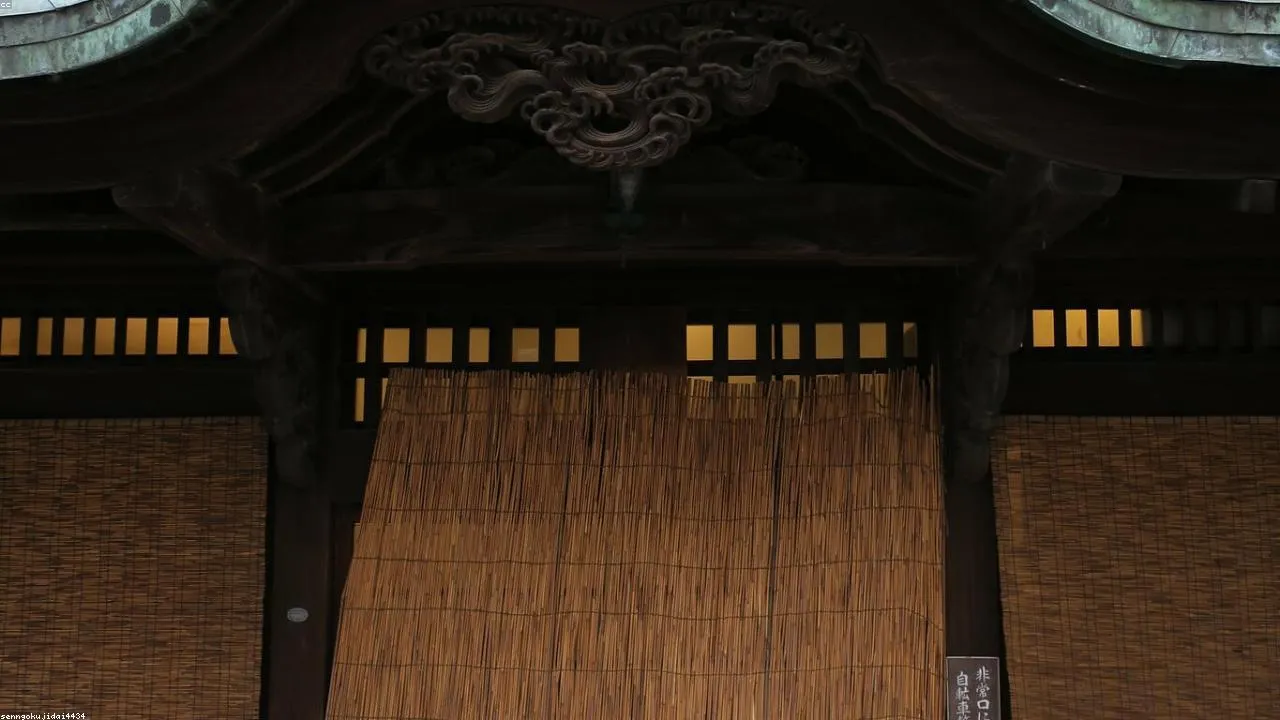
Korona Onsen (コロナの湯) is a super sento — a large-format public bath complex — with a natural hot spring source, multiple bath types, and a policy that sets it apart from most public bathing facilities in Japan: tattoos are permitted. For international visitors, this removes one of the most common barriers to experiencing Japanese onsen culture. If you have ink and have been assuming Japanese bath facilities are off-limits, Korona Onsen is the exception worth knowing about.
This guide covers what a super sento actually is, what you’ll find at Korona Onsen specifically, the tattoo policy in more detail, onsen etiquette for first-timers, and how to book the day pass.
Book the Korona Onsen day pass on KlookWhat a super sento is (and why it matters)
A super sento (スーパー銭湯) is a commercial public bathing facility — not a traditional inn, not a hotel amenity, but a standalone day-use complex. Think: multiple types of baths under one roof, a sauna or two, often a food area and rest lounge, all available for a flat entry fee. Locals use them the way people in other countries use gyms or swimming pools — a practical, enjoyable part of regular routine.
Super sento are meaningfully different from the onsen you’d encounter at a traditional ryokan:
| Super sento (Korona) | Ryokan onsen | |
|---|---|---|
| Access | Day-use, ticket at the door | Guests only |
| Atmosphere | Casual, family-friendly | Quiet, traditional |
| Tattoo policy | Often permitted (Korona: yes) | Almost always prohibited |
| Price | ~¥1,500 | Included in room rate |
| Language support | Basic signage | Minimal |
For most first-time visitors who want to try Japanese bathing culture without the formality of a ryokan stay, a super sento is the right place to start.
What Korona Onsen has
The baths: Korona Onsen’s lineup typically includes:
- Rotenburo (露天風呂): Outdoor bath. This is the one most people have in mind when they picture a Japanese onsen. Steam, open sky, and the actual natural hot spring source. The highlight of the visit.
- Indoor main bath: Larger, year-round, with the same natural spring water.
- Sauna: Dry sauna and sometimes a mist sauna, depending on the branch.
- Electric bath (電気風呂): A mild electrical current passes through the water, creating a tingling sensation that some people find helps with muscle soreness. Try it once.
- Jet bath / bubble bath: High-pressure water jets and air bubbles. Good for lower back.
- Cold bath (水風呂): The counterpart to the sauna. Cold plunge after a sauna session is a Japanese bathing ritual with its own following.
The natural spring: Korona Onsen uses natural hot spring water (温泉), not reheated tap water. The mineral composition varies by source; the Fukuoka springs tend toward the slightly alkaline, skin-softening side of the spectrum.
Food and rest area: Most Korona locations have a restaurant or food counter and a rest lounge where you can extend your visit. Some have private relaxation rooms available for an additional fee.
The tattoo policy — why it matters
The standard rule at Japanese public baths is a blanket prohibition on tattoos, regardless of size, style, or cultural origin. This is a widespread policy rooted in the historical association of tattoos with organized crime in Japan, and it excludes a significant portion of international visitors.
Korona Onsen explicitly permits tattooed guests. This is stated in their facility policy and applies to all bath areas. It is not a gray area — the facility has made a deliberate choice to be inclusive of international visitors and people with body art in general.
This makes Korona Onsen one of the most accessible genuine onsen experiences in Fukuoka for travelers from countries where tattoos are mainstream. If you have tattoos and have been researching “tattoo-friendly onsen in Japan” — this is the answer in Fukuoka.
Book the Korona Onsen day pass on KlookOnsen etiquette for first-timers
The rules at a Japanese public bath are straightforward once you know them:
-
Wash before you enter any bath. Every Japanese bathing facility has shower stations along the walls. Sit down (stools are provided), wash your body thoroughly with soap, and rinse completely before stepping into any of the communal baths. This is the non-negotiable rule.
-
No swimwear. Japanese public baths are nude. Bring your swimsuit and you won’t be able to use it here.
-
Keep your small towel out of the bath water. You’re given or can rent a small hand towel (tenugui). This is used for modesty while moving around, but it does not go into the bath. Leave it on the side or fold it on your head — the local approach.
-
No phones or cameras in the bathing area. Respected universally.
-
Quiet. Conversation at low volume is fine; loud voices are not.
-
Separate bathing areas. Men and women use separate facilities. The entrance area and rest lounge are shared.
That’s the core of it. Japanese bathing culture has a reputation for being complicated; it’s actually fairly simple once you’ve been through it once.
Pricing and what’s included
Day pass: Approximately ¥1,500 for adults. Weekend and holiday pricing may be slightly higher (¥1,700–¥1,800 range). Children’s pricing is available.
What’s typically included: Entry to all bath areas, use of the rest lounge.
What’s typically extra: Towel rental (small towel: ¥100–¥200; large bath towel: ¥200–¥400), shampoo and body wash are usually provided at the shower stations. Private rest rooms, food, and drink are additional.
Klook booking: Booking the day pass on Klook in advance is convenient if you want to lock in the price or skip the counter queue. Walk-in tickets are available at the facility; Klook is the more practical option for visitors who want a confirmed slot or prefer to pay in advance.
Practical details
Getting there: Korona Onsen is accessible from Hakata by public transit. Confirm the specific branch and route when booking on Klook — there are multiple Korona locations in the Fukuoka area.
How long to stay: Most visitors spend 1.5–3 hours. The longer end is if you use the sauna cycle (sauna → cold bath → rest, repeated) or have a meal. The bathing itself can be done in an hour.
Best time to go: Weekday mornings are the quietest. Weekend afternoons can get busy with local families.
What to bring: A change of clothes (you’ll want something clean and comfortable for after). Your Klook booking confirmation. Everything else — towels, toiletries, the bathing area itself — is at the facility.
Korona Onsen pairs well with afternoon Hakata exploring — see day tours from Fukuoka if you want a full-day plan.
Book the Korona Onsen day pass on KlookGetting around Fukuoka
Korona Onsen is in Fukuoka, the largest city in Kyushu. From Hakata — the main transport hub — the entire city is well-connected by subway, bus, and taxi. For a broader look at the city see the Fukuoka city guide and the Hakata district guide. For travel data during your Japan trip, the Japan eSIM guide has the current best options.
Book the Korona Onsen day pass on KlookFAQ
Is Korona Onsen tattoo-friendly?
Yes — Korona Onsen (コロナの湯) is one of the few public bath facilities in Japan that permits entry for guests with tattoos. This is explicitly stated in their facility policy and is one of the main reasons it's recommended for international visitors.
How much does a Korona Onsen day pass cost?
Approximately ¥1,500 for adults for a standard day pass. Prices vary slightly by day of the week (weekend pricing is common at Japanese super sento). Check current pricing on Klook before booking.
What is a super sento, and how is it different from a ryokan onsen?
A super sento (スーパー銭湯) is a large commercial public bathing complex — multiple bath types under one roof, typically including indoor and outdoor baths, saunas, and jet features. Unlike a ryokan onsen, it's a standalone day facility rather than an accommodation amenity. Super sento are casual, family-friendly, and widely used by locals. Korona Onsen is in this category.
Do I need to bring a towel to Korona Onsen?
Towel rental is available at the facility. A small hand towel is typically provided or available cheaply; a larger bath towel can be rented for an additional fee. Check what's included in your Klook booking.
How do I get to Korona Onsen from Hakata Station?
Korona Onsen is accessible from Hakata. The exact transit details depend on the specific branch — confirm directions when booking via Klook, or check the official Korona website for the nearest branch to your accommodation.