Munakata UNESCO Shrine + Izu Brewery Day Tour from Fukuoka: 2026 Review
Honest review of the Fukuoka day tour combining Munakata Taisha (UNESCO World Heritage 2017) with a traditional sake brewery visit. What's included, who it suits, DIY alternative.

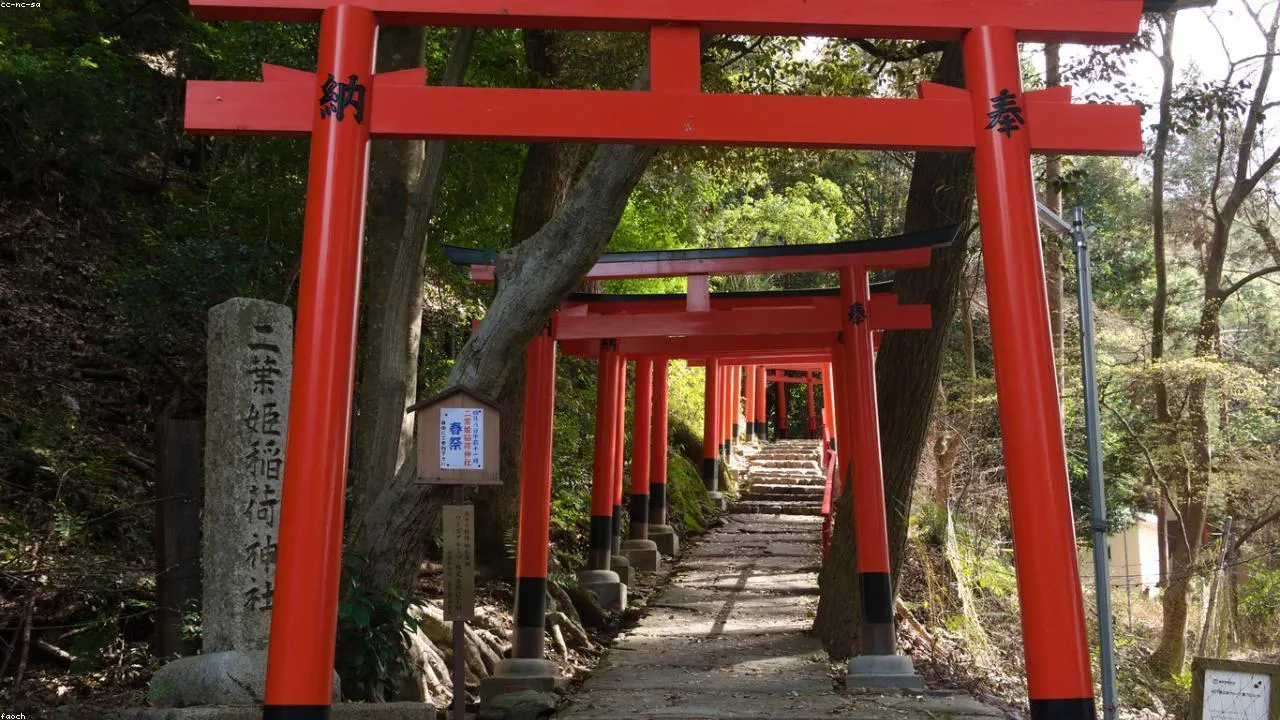
If you’ve done Dazaifu and want a day out of Fukuoka that goes somewhere most visitors don’t reach, Munakata Taisha is the answer. The UNESCO World Heritage shrine sits about an hour north of Hakata, overlooking the waters that ancient seafarers crossed between Japan and the Korean Peninsula. Pair that with a working sake brewery in the afternoon — tasting flight included — and you have one of the more thoughtful day tours running out of Fukuoka right now.
Here is what you get, what to expect at each stop, and when the DIY alternative makes more sense.
Why Munakata and a brewery
Munakata Taisha was inscribed as UNESCO World Heritage in 2017, recognised as the best-preserved example of Japan’s ancient cross-strait exchange culture. Unlike the more visited Dazaifu Tenmangu, Munakata draws a quieter, more historically-minded crowd — people who want context alongside their shrine visit, not just a photo in front of a famous gate.
The sake brewery half adds a craft dimension that makes the day feel earned. The Izu Brewery is a working kura — you walk through the production areas, smell the fermenting rice, and then sit down to a tasting flight of four or five styles including a junmai daiginjo. It is not a theme park version of sake culture; it is an active production facility that happens to open its doors for small tour groups.
Together, the two stops balance archaeology and craft in a way that few single-day itineraries in the Fukuoka region manage.
Route at a glance
Hakata Station (09:00) → 1-hour drive north along the Genkai Sea coast → Munakata Taisha Hetsumiya complex (approximately 90 minutes: main hall, cedar grove walk, Shimpokan Treasure Museum) → lunch at a local restaurant near the shrine → Izu Brewery (approximately 75 minutes: production area tour + tasting flight of 4–5 sakes) → return to Hakata around 17:30.
Total cost: approximately ¥12,000–15,000 per person, including transport, English-speaking guide, museum entry, and the brewery tasting. Lunch is your own budget (allow ¥1,000–1,500 for the set meal at the tour’s usual stop).
What Munakata Taisha is about
Three shrines, three goddesses, one ancient sea lane.
Munakata Taisha is actually three separate shrines worshipping the Three Munakata Goddesses — daughters of the sun goddess Amaterasu — who were believed to protect seafarers crossing the treacherous Korea Strait. Each shrine sits at a different point along the route:
- Hetsumiya — the mainland shrine, which the tour visits. This is the ceremonial and administrative centre, with the Shimpokan Treasure Museum attached.
- Nakatsumiya — on Oshima Island, about 11 km offshore. Day-trip accessible in good weather, not part of this tour.
- Okitsumiya — on remote Okinoshima, roughly 60 km offshore in the Korea Strait. Accessible only to men on one special ceremonial day per year (May 27); cameras, food, and anything taken from the island are strictly forbidden. It remains one of the most restricted sacred sites in Japan.
The Shimpokan Treasure Museum is the main reason the mainland visit is worth the trip. Okinoshima has been continuously used as a ritual site since the fourth century, and excavations have uncovered over 80,000 votive offerings — bronze mirrors, glass beads, and gold and silver objects from as far as Persia and Byzantium, arriving via the ancient Silk Road sea route. Many are designated national treasures. The museum presents them with enough English context to follow, even without prior knowledge of the site.
Allow 45–60 minutes in the museum. The walk through the cedar grove to the main hall takes another 20–30 minutes at a comfortable pace.
The brewery half
After lunch, the tour heads to Izu Brewery, a traditional sake kura in the Munakata region.
The visit runs about 75 minutes. A brewery staff member walks the group through the production areas — the koji room, the fermentation tanks, the pressing equipment — explaining each stage in enough accessible detail that you don’t need a brewing background to follow it. English explanation is provided; some visits have Korean-speaking staff as well, though this varies by group.
The tasting flight covers four to five sakes: typically a honjozo, a junmai, a junmai ginjo, and a junmai daiginjo from the brewery’s current production run. The junmai daiginjo — rice polished to 50% or below, slow-fermented at low temperatures — is usually the final pour and the most memorable. It does not taste like the generic sake served warm at izakayas; it is clean, fragrant, and noticeably expensive relative to what is in the glass.
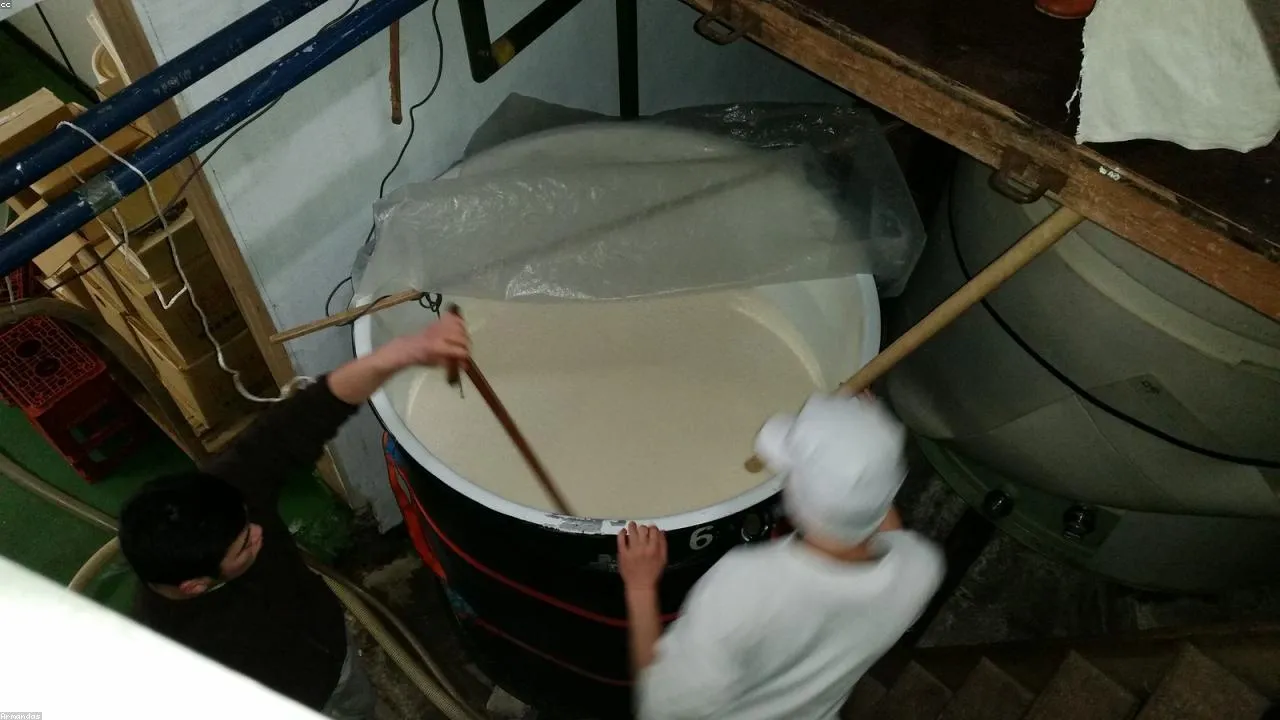
After the tasting, there is time to browse the brewery shop. Prices here are cheaper than retail in Fukuoka, and a handful of labels are available exclusively through the brewery — not in any shop or online. If you drink sake, buying a bottle here is worth the bag weight on the journey home.
Book the tour
Book the Munakata UNESCO + Izu Brewery tour on KlookKlook’s standard cancellation policy is free cancellation up to 72 hours before departure. Confirm on the listing page before booking.
Who this suits
UNESCO heritage completists who want to see all of Fukuoka Prefecture’s World Heritage sites, not just Dazaifu. Munakata is the less-visited one, and that is part of its appeal.
Sake and Japan-craft enthusiasts who want to visit a real working brewery rather than a museum exhibit about sake. The Izu tasting is genuinely good, and the exclusive brewery labels make the visit feel like a find rather than a tourist checkbox.
Shrine history enthusiasts interested in the ancient Japan-Korea-China maritime exchange. The Okinoshima excavation finds at the Shimpokan make this one of the most historically substantive shrine museum visits in Kyushu.
Travelers who prefer a quieter pace. This is not a multi-stop tour with tight transitions. Two main stops, unhurried at each. If you found Dazaifu exhausting on a weekend, this is the corrective.
Who should skip it
Anyone who does not drink alcohol. The brewery half is the value-add that justifies the tour price relative to the DIY alternative. Without the tasting, you are paying premium pricing for a 75-minute facility walk. Non-drinkers can still enjoy the visit, but the economics are different — DIY to Munakata Taisha alone is straightforward and cheaper.
Travelers with only one day who haven’t seen Dazaifu. Dazaifu Tenmangu is more famous, handles large crowds better, and has better onward public transport connections. If you’re choosing between the two for a single day, Dazaifu should come first for most travelers. Munakata is the second day, for people who came back.
Travelers expecting the full three-shrine experience. This tour covers only the mainland Hetsumiya. If you want Oshima Island or the outer sea views, you need a separate Oshima ferry excursion and a full day there — that is a different trip entirely.
DIY alternative
Munakata Taisha is reachable independently. From Hakata Station, take the JR Kagoshima Line to Togo Station (approximately 45 minutes, ¥760), then a local bus to Munakata Taisha (about 10 minutes, ¥200). The mainland shrine complex, cedar grove, and Shimpokan Museum can be done in 2–3 hours at a self-guided pace. Admission to the Shimpokan is ¥500.
The brewery is where DIY gets complicated. Izu Brewery requires advance reservation for group tours and does not generally accept walk-in visitors during production periods. The booking requires Japanese-language contact, and available dates are limited. The Klook tour handles all of this coordination invisibly — that is its core practical value beyond transport.
If you want to attempt the combination independently: contact Izu Brewery at least two weeks in advance, confirm your booking in writing, then arrange JR + bus for Munakata in the morning and a taxi from Togo Station to the brewery in the afternoon. Budget ¥6,000–8,000 in transport and entry fees, versus ¥12,000–15,000 for the tour. The gap is smaller than it looks once you factor in taxi and reservation complexity.
For more day-trip options from Fukuoka, see the full tours hub.
If you’d rather skip the logistics entirely:
View the Munakata + Izu Brewery tour on Klook →Best season
Autumn (October–November) is the standout. The cedar grove around Hetsumiya turns amber, and the Genkai Sea coast north of Fukuoka is clear on most days. Sake breweries begin their new production season (shiboritate) in October, so brewery visits in autumn sometimes include a taste of the freshest possible brew.
Early October is particularly good: the Aki-Matsuri Munakata festival recreates elements of the ancient cross-strait procession, with shrine boats and ceremonial rites at Hetsumiya. The shrine is more alive during this period than at any other time of year.
Spring (March–May) works well for the shrine visit, with lighter crowds than autumn and pleasant temperatures for the cedar grove walk. The brewery tasting is equally good year-round.
Avoid midsummer (July–August) unless you handle heat well. The cedar grove provides some shade, but the walk from the car park to the shrine and the outdoor sections of the brewery are genuinely hot in August. Hydration and sun protection are essential.
Practical notes
- Getting your Japan data sorted before you leave Fukuoka is important for this tour. Meeting point updates and itinerary changes come by SMS or app notification. If you haven’t arranged your Japanese SIM or eSIM yet, see our Japan eSIM guide.
- The shrine complex involves walking on gravel and uneven stone paths. Comfortable, flat-soled shoes are better than sandals.
- Photography is permitted throughout Hetsumiya and the cedar grove. Inside the Shimpokan, check signage — some artifact displays do not allow flash.
- At the brewery, ask the guide before photographing production equipment. Most areas are fine; the koji room sometimes has restrictions.
FAQ
Who is this tour best suited for? UNESCO heritage completists, sake enthusiasts visiting a working kura brewery, and shrine history travelers interested in Japan’s ancient maritime exchange culture. Works well for solo travelers and pairs who prefer a quieter, two-stop day.
What is the route? Hakata pickup (09:00) → Munakata Taisha Hetsumiya complex + Shimpokan Museum (90 min) → lunch → Izu Brewery tour + tasting flight (75 min) → return to Hakata (~17:30).
What does it cost? Approximately ¥12,000–15,000 per person inclusive of transport, guide, museum entry, and brewery tasting. Lunch self-funded (allow ¥1,000–1,500).
Can I visit independently? Munakata Taisha: yes, JR to Togo Station then bus (¥760 + ¥200, ~45 min). Izu Brewery: advance reservation required in Japanese; walk-ins not generally accepted. The tour handles this coordination.
What is the best season? Autumn (October–November) for the cedar grove colour and new-season sake (shiboritate). Early October also coincides with the Aki-Matsuri Munakata festival at Hetsumiya.
Munakata Taisha is the UNESCO World Heritage site that most visitors to Fukuoka never make it to. That is its best quality. If a full day combining one of Japan’s most historically layered shrines with a working sake brewery sounds like the right kind of day — here is where to book it:
Check current price and availability on Klook →Booking through this link supports KitaQ.Travel’s original research and photography at no extra cost to you.
Browse more day-tour options from Fukuoka on the tours hub.
FAQ
Who is the Munakata UNESCO + Izu Brewery day tour best suited for?
UNESCO heritage completists staying in Fukuoka, sake enthusiasts who want to visit a working kura brewery with a tasting flight, and travelers interested in Japan's ancient cross-strait history. The tour works well for solo travelers and pairs who want a quieter, more cultural day out of Hakata.
What is the route for the Munakata + Izu Brewery tour?
Hakata Station pickup around 09:00, approximately 1-hour drive north to Munakata Taisha Hetsumiya complex (90 minutes walking + Treasure Museum), lunch break, then Izu Brewery for a 75-minute tour and sake tasting flight. Return to Hakata around 17:30.
What is Munakata Taisha and why is it a UNESCO World Heritage site?
Munakata Taisha is a complex of three Shinto shrines that protected the ancient sea route between Japan and the Asian continent. Inscribed as UNESCO World Heritage in 2017, it comprises Hetsumiya (mainland), Nakatsumiya (Oshima Island), and Okitsumiya (remote Okinoshima, accessible only on rare ceremonial days). The Treasure Museum on the mainland holds national treasures excavated from Okinoshima.
How much does the Munakata UNESCO + Izu Brewery tour cost?
The Klook tour (ID 201119) is approximately ¥12,000–15,000 per person, inclusive of transport, guide, Treasure Museum entry, and the sake tasting flight at Izu Brewery. Lunch is self-funded at a local restaurant between the two sites.
Can I visit Munakata Taisha and Izu Brewery independently without the tour?
Munakata Taisha is reachable independently via JR from Hakata to Togo Station (about 45 minutes, ¥760), then a local bus. However, Izu Brewery requires advance reservation and generally does not accept walk-ins. The tour handles all brewery coordination, which is the main practical advantage over DIY.