Hiraodai Karst Plateau Day Tour: Hiking + Cave Guide (2026)
Hike Japan's limestone karst plateau and explore Senbutsu Cave on a day trip from Kokura or Fukuoka. Season tips, trail difficulty, DIY route, and Klook booking guide.

Most people visiting Kyushu head for Beppu’s hot springs or Yufuin’s cafes. Hiraodai is the one for people who want to walk somewhere genuinely unusual — white limestone pinnacles scattered across rolling green grassland, a cave that goes 900 meters into the hillside, and views that feel more like the English Peak District than anything most people expect to find in northern Kyushu.
Hiraodai is one of Japan’s three great karst plateaus, alongside Akiyoshidai in Yamaguchi and Himenoji in Ehime. It sits in Kokuraminami-ku, the southern ward of Kokura, about 30 km inland from Kokura Station — accessible enough for a half-day trip from Fukuoka, dramatic enough to justify the full day.
Here’s how to do it, when to go, and how to book a tour if you’d rather not figure out the limited bus schedule yourself.
What Hiraodai actually is
The plateau covers roughly 10 square kilometers at an elevation of 300–400 meters. The defining feature is the doline fields: rounded depressions in the karst landscape, some large enough to walk around, surrounded by clusters of white limestone pinnacles called “hoodoos” or garan in Japanese. The effect is strange and photogenic — the white rock against the green (or golden, in October) grassland looks almost artificial.
Beneath the surface, Hiraodai is riddled with caves. Three are open to visitors: Senbutsu Cave (千仏鍾乳洞), Meiji Cave, and Kibatake Cave. Senbutsu is the most developed and the one most tours include — it has the longest accessible section (900 m) and the most impressive stalactite formations.
The plateau is managed as a prefectural natural park. There are no entry fees for the plateau itself. Senbutsu Cave charges admission (around ¥800–1,000 per adult — confirm current pricing at the cave office).
Senbutsu Cave: what to expect
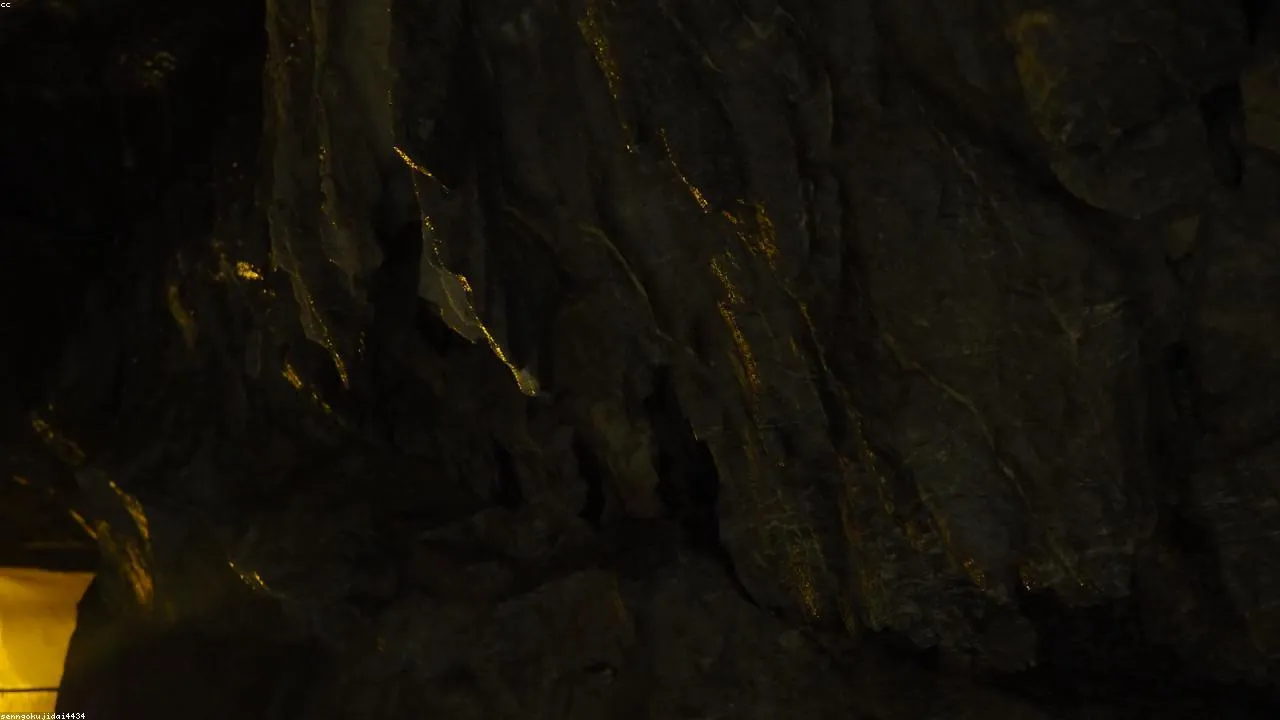
The public walking section runs 900 meters from the entrance and takes about 45–60 minutes round trip. The path is paved and lit throughout, with handrails at the steeper sections. You’ll pass through chambers of stalactites and stalagmites, some nearly meeting floor-to-ceiling.
A few things to know before you go:
Temperature: A constant 16°C year-round. In summer this feels refreshingly cool after hiking the exposed plateau. In October through November it can feel genuinely cold if you’ve worked up a sweat outside. Pack a light layer regardless of season.
Footwear: The paved path gets wet in places from dripping water. Walking shoes with grip are fine; flip-flops are a bad idea.
Crowds: Weekdays outside school holidays are quiet. Weekend mornings in late October (pampas grass peak) can be busy — arrive before 10:00 to beat coach tour groups.
Water: There’s a shallow stream running through part of the cave floor. In summer this is a feature (some visitors roll up trousers and wade the final section). In winter it can be icy.
Tour route variants from Kokura and Hakata
There are two main ways to organize the day, depending on your base.
Half-day from Kokura (~4–5 hours)
If you’re already staying in Kokura or Kitakyushu, a half-day is plenty. The typical flow: Kokura Station mid-morning → Hiraodai plateau loop trail (2 hours) → Senbutsu Cave (1 hour) → return to Kokura for a late lunch. You’re back in the city by early afternoon with the rest of the day free.
This format also pairs well with an afternoon at Kokura Castle or a wander around Tanga Market — the covered market in central Kokura that’s one of the best lunch stops in northern Kyushu.
Full day from Hakata (~8–9 hours)
From Hakata, add the Shinkansen to Kokura at each end and you have a full day with comfortable pacing:
- Hakata departure around 08:30
- Arrive Kokura ~08:50, connect onward to Hiraodai
- Plateau hiking 10:00–12:00
- Senbutsu Cave 12:30–13:30
- Lunch at the plateau visitor center or return to Kokura for Tanga Market
- Return to Hakata by 17:00–18:00
This schedule leaves room for both the cave and a proper plateau loop without rushing.
Hiking difficulty and what to bring
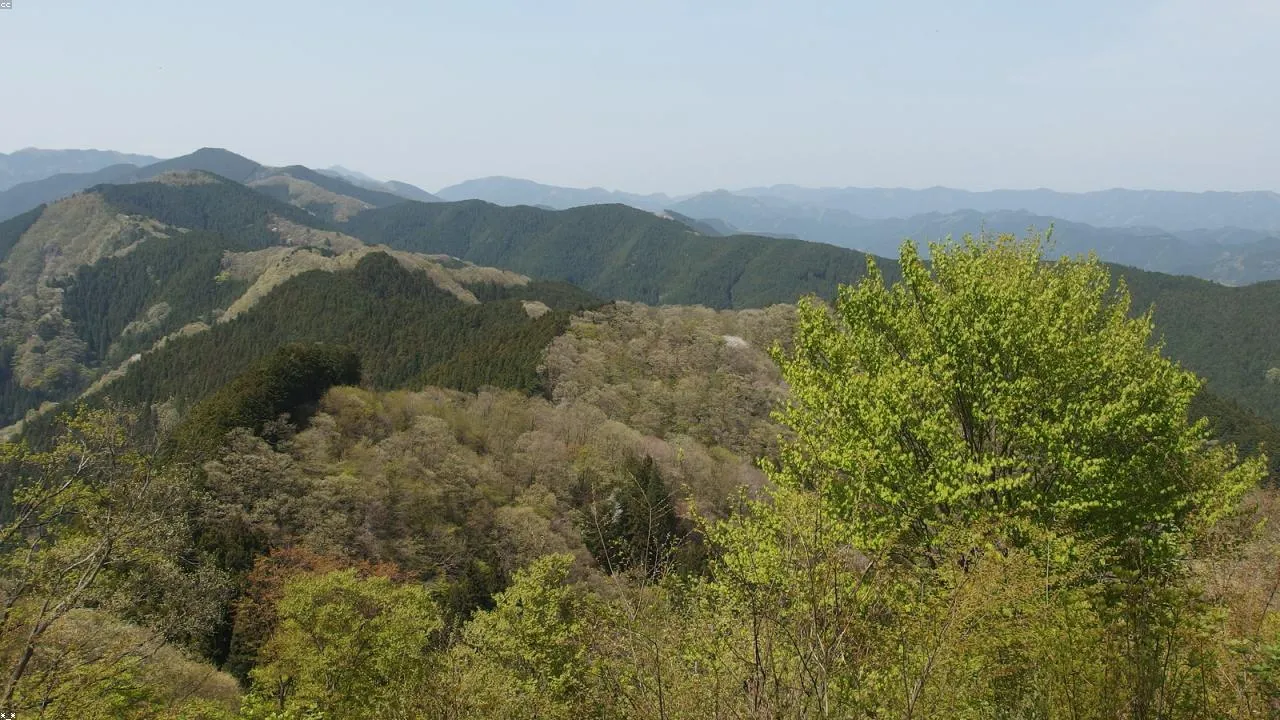
Difficulty: easy-moderate. The plateau itself is open grassland with gently rolling terrain. There are no technical sections, no exposed scrambling, and nothing that requires hiking experience. The main challenge is sun exposure on clear days — the plateau is treeless and the UV can be intense from April through September.
The main loop trail covers approximately 5–6 km and takes 1.5–2 hours at a relaxed pace, longer if you stop often for photos (you will).
What to bring:
- Water (at least 1 liter per person — there’s a visitor center but no reliable refill points on the plateau)
- Sun protection: hat, sunscreen, UV-blocking layer (critical in summer)
- Light layer for the cave (16°C interior — you’ll feel it after the plateau)
- Walking shoes with grip (trail runners or light hikers; running shoes work fine)
- Camera or phone charged (the light on white limestone is excellent in morning and late afternoon)
- Cash — the cave admission and some food stalls are cash-only
Best season: April to November
April–May: New growth green on the grassland, wildflowers on the plateau edges, mild temperatures. One of the best times to visit — comfortable for walking and photogenic.
June–August: Full summer green, hot and exposed on the plateau. Start early (before 09:00) to beat the heat. The cave provides a welcome mid-day cool-down. Crowds are moderate except during Obon (mid-August).
September–October: The plateau transitions from green to golden as the pampas grass (susuki) comes in from mid-September. October is the most photographed season — the susuki heads glow copper in afternoon light against white limestone. It’s also the busiest. Aim for weekday visits or early morning on weekends.
November: Late autumn — the susuki is past peak but the light is excellent and crowds drop significantly. Cooler walking conditions. Last reliable month before the plateau starts closing in for winter.
December–February: avoid. The plateau is cold and exposed, some facilities close or reduce hours, and the cave entrance can be icy. Not dangerous for experienced winter hikers, but not worth the trip from Fukuoka unless you specifically want the atmosphere.
October pampas grass season
October deserves its own note because it transforms the plateau into something completely different. The susuki — Japanese pampas grass — grows in dense swaths across the doline fields, and as it matures through October the feathery seed heads shift from silver-white to warm gold. Combined with the white limestone pinnacles and the open sky, the October plateau is one of the best autumn photography spots in northern Kyushu that isn’t overrun with tour buses.
Peak is typically the second and third weeks of October, though this varies by year. Check the Kitakyushu tourism calendar or local weather reports in the week before your visit.
Photo tips
Best light: Morning (08:00–10:00) gives side-light on the limestone pinnacles that picks out texture and shadow. Late afternoon (15:00–17:00) does the same on the opposite side. Midday in summer is harsh and flat — use that window for the cave instead.
Best angle for the plateau: Face away from the road and visitor parking area. The eastern section of the plateau loop, away from the facilities, gives the cleanest compositions — grassland, limestone clusters, distant ridgeline, sky.
Cave photography: The cave is lit in warm amber tones. Modern phone cameras handle it well in auto mode. Avoid flash — it washes out the stalactite texture. Slow shutter on a flat surface (some visitors rest their phone on the cave floor) gets sharper results than handheld.
October susuki: Backlight (shooting toward the sun, using a limestone pinnacle as partial shade) makes the seed heads glow. Side light gives the most texture. A polarizing filter if you’re shooting on a mirrorless camera.
Booking a tour vs. DIY
Why a tour makes sense here
The honest reason most visitors take a tour to Hiraodai is the limited bus service. The plateau is served by infrequent community buses from Kishida Station (on the Heisei Chikuho private railway). Outside of weekend schedules, the bus may run only a few times per day — if you miss one, you’re waiting an hour or longer in an area with very limited facilities.
A tour vehicle removes this completely. You show up at Kokura or Hakata and arrive at the plateau entrance. No bus timetable research, no taxi hunting, no schedule stress.
Search Hiraodai karst tours on Klook →DIY via JR and bus
If you prefer to self-route, here’s the current best path:
Hakata → Kokura: Shinkansen from Hakata Station to Kokura Station, 16 minutes, ¥1,470 unreserved. (JR passes cover this.)
Kokura → Kishida Station: Heisei Chikuho Railway from Kokura to Kishida Station — about 40 minutes, ¥670. Note: this is a private railway, not covered by JR passes.
Kishida → Hiraodai Plateau: Community bus to the plateau (check current timetables at Kishida Station — schedules change seasonally and are limited on weekdays). Alternatively, taxi from Kishida to the plateau entrance is around ¥1,500–2,000.
Senbutsu Cave admission: approximately ¥800–1,000 per adult (cash only; confirm at the cave office).
Total DIY cost (Hakata round-trip, no JR pass): roughly ¥5,000–6,000 per person including transport and cave entrance. A tour typically runs ¥8,000–12,000 per person but includes transport, guide, and sometimes the cave entry.
If you already have a JR Pass, the Shinkansen legs are covered but the Heisei Chikuho Railway is not — factor in ¥1,340 round-trip for that private leg.
For more active day-trip options from Fukuoka, see the Kitakyushu hiking guide.
Who suits this tour / who should skip
Good fit:
- Active travelers who want a nature day that isn’t just another temple circuit
- Photographers looking for unusual landscapes in northern Kyushu
- Families with kids 6+ who can handle a 2-hour walk (the cave is a bonus hit with children)
- Anyone interested in geology — the cave guide explains karst formation clearly
- Visitors already staying in Kokura who want a half-day excursion without a full Fukuoka departure
Skip or reconsider:
- Travelers with limited mobility — the plateau trail has uneven karst ground, and while the cave is paved, there are stepped sections
- Anyone visiting December–February without winter hiking experience and appropriate gear
- Pure city travelers who don’t enjoy open-air walking — there is no indoor alternative on the plateau if weather turns bad
- Travelers who’ve already done Akiyoshidai in Yamaguchi — Hiraodai is smaller and the cave is less dramatic than Akiyoshido; if you’ve done the Akiyoshido + Motonosumi day tour, Hiraodai is a lighter version of similar terrain
If you’re unsure about public transport logistics, check the Japan eSIM guide first — you’ll want live maps and transit apps running reliably for the Heisei Chikuho Railway connections.
FAQ
Can I visit both the plateau and Senbutsu Cave in the same day? Yes, easily. The plateau loop (2 hours) and the cave (1 hour) together take about 3.5 hours including travel between them. A half-day from Kokura or a full day from Hakata both work.
Is there food at Hiraodai? There’s a small visitor center café near the plateau entrance with basic snacks and drinks. For a proper lunch, bring your own or factor in lunch at Tanga Market on the return to Kokura. Do not rely on on-site dining for a full meal.
Are there other caves besides Senbutsu? Yes — Meiji Cave and Kibatake Cave are also open to visitors, with separate admission. They’re smaller than Senbutsu and see fewer visitors. Senbutsu is the recommended choice if you only have time for one.
Is Hiraodai suitable for children? Yes, with caveats. The plateau trail is fine for kids who can manage 2 hours of walking on uneven ground. The cave is popular with children (dark, cool, full of formations — they tend to love it). Under-5s may find the cave entrance crossing (slightly narrow path) challenging.
What’s nearby for a longer day? Combine with things to do in Kokura for a full day — the castle, Tanga Market, and Riverwalk Kitakyushu are all within 15 minutes of Kokura Station. Or pair with the Kokura district page for accommodation options if you want to base yourself locally.
Ready to book?
Check current availability for Hiraodai tours — prices and dates vary by season:
Check Hiraodai tour availability on Klook →Hiraodai doesn’t make it onto most itineraries because it requires effort to get to. That’s also precisely why it’s still good — no tour bus convoy, just the plateau, the caves, and the sky.
Browse all day-tour options from Kokura and Fukuoka to compare with other active itineraries, or book directly:
View Hiraodai karst tour options on Klook →Booking through this link supports KitaQ.Travel’s original research and photography at no extra cost to you.
FAQ
Who is the Hiraodai karst day tour best suited for?
Active travelers staying in Fukuoka or Kokura who want a half-day or full-day out in nature. The plateau trail is easy-moderate and suits most fitness levels. Senbutsu Cave adds around 90 minutes and is fully paved, suitable for all ages. Not suited for travelers with very limited walking ability.
How do I get to Hiraodai from Kokura or Hakata?
From Kokura Station: take the Heian Line (Heisei Chikuho Railway) to Kishida Station, then a local bus or taxi to the plateau — about 50-60 minutes total. From Hakata: take the Shinkansen to Kokura (16 min, ¥1,470) then the same onward route. Note: bus service to the plateau is limited, especially on weekdays. A rental car or tour vehicle is the most reliable option.
How difficult is the hiking at Hiraodai?
Easy-moderate. The plateau loop trail is flat to gently rolling grassland — no steep climbs. The longest popular loop is around 5-6 km and takes 1.5-2 hours at a relaxed pace. Good walking shoes are sufficient; hiking boots are not required but add comfort on uneven karst ground.
Is Senbutsu Cave safe and accessible?
Yes. Senbutsu Cave has a 900-meter walking section open to the public, with paved paths, lighting, and handrails throughout. Helmet and headlamp are provided. The cave maintains a constant temperature of around 16°C year-round — bring a light layer even in summer.
What is the best season to visit Hiraodai?
April through November. The grassland is vivid green from spring through summer, and October brings golden pampas grass (susuki) season — visually the most dramatic time to visit. Avoid December through February: the plateau is exposed and cold, cave conditions can be icy at the entrance, and some services close.