Korean Golfer's Guide to Northern Kyushu: Flights, Courses, Costs (2026)
Complete guide for Korean golfers visiting Kitakyushu and Fukuoka — Busan→Fukuoka flight options, top courses, booking platforms (GORA, Rakuten Golf, Klook), package math, language tips.

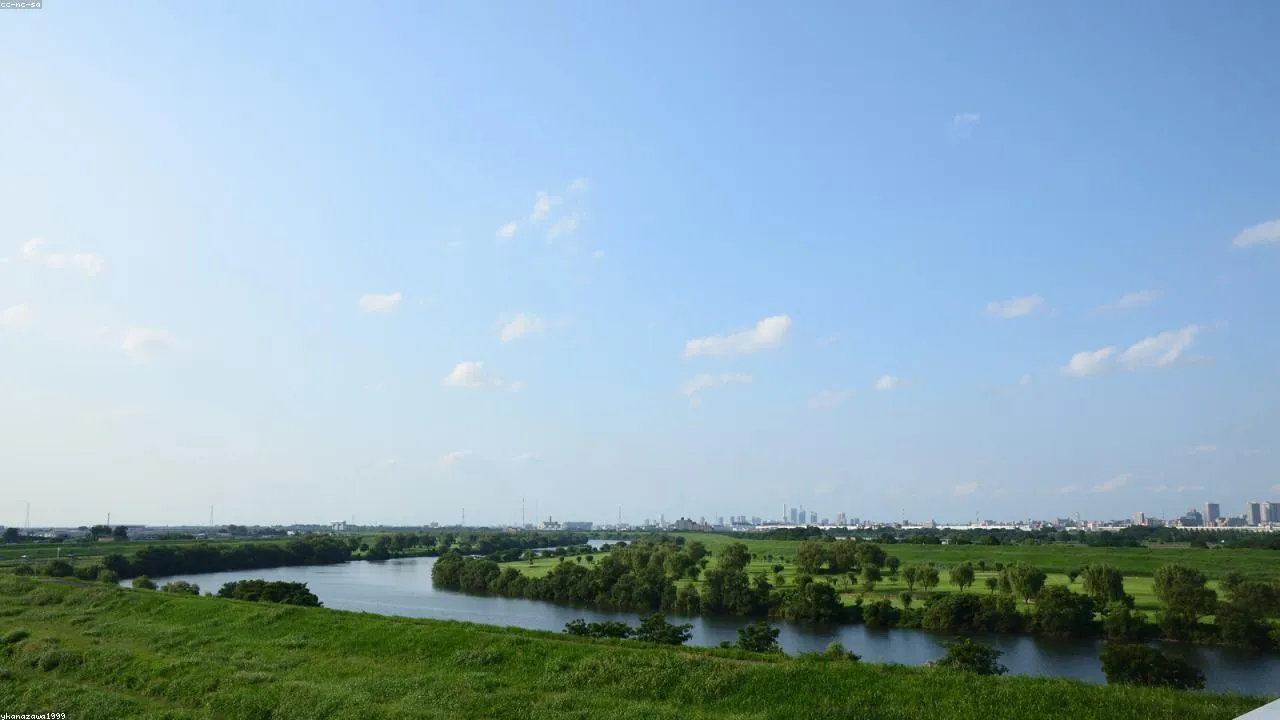
Northern Kyushu is the most convenient overseas golf destination for Korean golfers — bar none. When you can clear Korean immigration, board a 50-minute flight from Busan, and reach a course fairway before 11 AM for a fraction of what you’d spend at home, the value proposition is hard to argue with. This is the pillar guide: flights, courses, costs, booking, etiquette, and what to expect from a typical long weekend on the fairways.
Why Northern Kyushu for Korean Golfers
The core argument is access plus price. No other international destination combines them as effectively for Korean golfers.
Proximity: Busan Gimhae International Airport (PUS) to Fukuoka Airport (FUK) is approximately 50 minutes in the air. Factor in a 30-minute taxi or train ride from Fukuoka to central Kokura (Kitakyushu) and you’re positioned for a tee-off the same morning you depart. From Seoul, the flight to Fukuoka runs about 1.5 hours — still achievable as a long-weekend destination.
Course density: There are roughly 50 golf courses within a 90-minute drive of Kokura Station. They range from coastal links-style layouts near Wakamatsu to mountain courses in the Hiraodai plateau to parkland designs closer to Fukuoka. A weekend trip can realistically cover two to three very different course experiences.
Pricing: Weekday green fees at most Kitakyushu-area clubs run ¥8,000–¥15,000 per round, typically including cart and a caddy. At current exchange rates that’s roughly ₩70,000–₩130,000. A comparable round at a mid-tier Korean private club on a weekday will cost ₩200,000–₩350,000 for greens alone, before cart and caddy. Weekend rates in Japan are higher but still favorably priced by Korean standards.
Honest framing: Northern Kyushu golf is not as scenic as Hokkaido (no dramatic volcanic backdrops) and the course architecture skews traditional rather than destination-resort. What it offers is unmatched accessibility from Korea and a reliable, well-maintained product. Most Korean golfers who try it once come back annually.
Flight Options from Korea
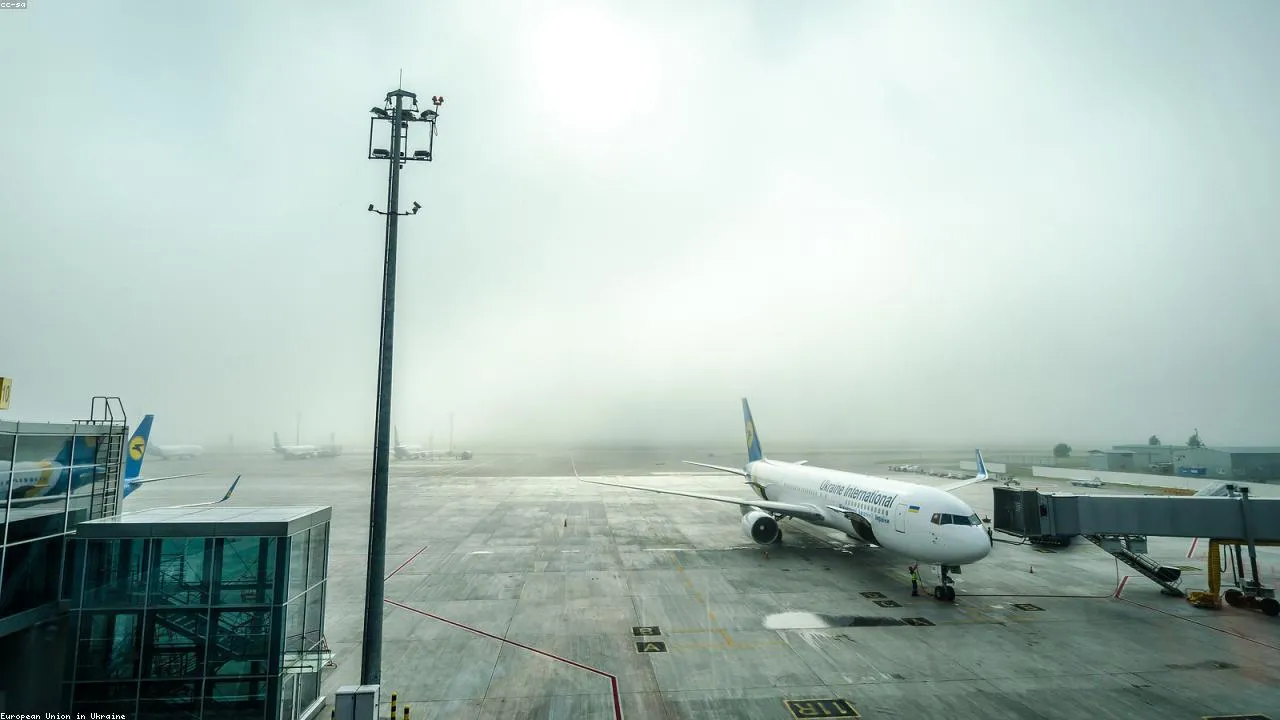
Busan → Fukuoka (Primary Route)
- Airlines: Air Busan, Jeju Air, Air Seoul
- Duration: ~50 minutes
- Frequency: 1–2 departures daily depending on airline and season
- Price range: ₩50,000–₩150,000 one-way (book 4–6 weeks ahead for best fares)
- Best for: Golfers based in Busan or southeastern Korea; also worth considering for Seoulites who prefer a cheaper base fare over the extra hour from Incheon
Seoul (Incheon) → Fukuoka
- Airlines: T’way Air, Jin Air, Korean Air, Asiana
- Duration: ~1.5 hours
- Frequency: Multiple daily departures
- Price range: ₩80,000–₩200,000 one-way
- Best for: Seoul-based golfers; wider schedule options for early-morning departures
Busan → Kitakyushu Airport (KKJ)
Kitakyushu Airport (KKJ), located on a man-made island off the Kokura coast, handles some international routes. Check current schedules — service from Busan has operated seasonally. The advantage: KKJ is 30–40 minutes from most Kitakyushu courses versus Fukuoka Airport, which saves time.
Booking tip: Check fares on Skyscanner or directly on airline sites. Klook occasionally lists promotional flight tickets that undercut airline direct prices, particularly for travelers without Korean airline loyalty program memberships.
Where to Base — Kokura vs. Fukuoka
Choosing your base determines which courses are accessible and how much transit time you lose each morning.
Kokura (Kitakyushu)
- Advantages: Closer to most Kitakyushu-area and Yamaguchi courses. Kitakyushu Airport (KKJ) is nearby for night arrivals. Lower hotel prices than Fukuoka central.
- Drawbacks: Fewer English and Korean-speaking hotel staff. Less nightlife and dining variety.
- Best for: Golf-primary trips where you want to minimize drive time to courses.
- Recommended hotels: Toyoko Inn Kokura Eki Shinkansen-guchi, Comfort Hotel Kokura (both near Kokura Station, convenient for car rental desks).
Fukuoka
- Advantages: More English and Korean-speaking hotel staff. Larger variety of restaurants and bars for evenings. Good access to Fukuoka-area courses (Munakata, Itoshima, Memorial Golf Club near the airport).
- Drawbacks: 40–60 minutes drive to most Kitakyushu courses adds time each morning.
- Best for: Golf + sightseeing combinations; groups where non-golfers want independent activity options.
Verdict for pure golf trips: Base in Kokura. For golf plus a mix of other activities, Fukuoka gives you more flexibility. Some groups split the stay — two nights in Kokura for Kitakyushu courses, one night in Fukuoka for a Munakata or Itoshima round before the flight home.
Top Courses for Korean Visitors
Detailed reviews are in the companion article Best Golf Courses in Kitakyushu. Here is the shortlist with context:
- Wakamatsu Golf Club (Kitakyushu, ¥10,000–15,000 weekday) — Sea views on back nine, some Korean staff, well-regarded by Korean regulars. Most-recommended starting point for first-timers.
- Hiraodai Country Club (Kitakyushu, ¥8,000–12,000 weekday) — Mountain course on the Hiraodai plateau, dramatic scenery, minimal English/Korean. Worth the communication challenge.
- Kitakyushu Country Club (Tobata area, ¥8,000–12,000) — Classic parkland layout, traditional Japanese clubhouse atmosphere.
- Wakamatsu Golden Coast (Kitakyushu, par 72) — Signature coastal holes, popular with Korean groups.
- Munakata Country Club (Fukuoka side, ¥10,000–16,000) — Well-regarded by international visitors, some English-language staff, easy to book via GORA.
- Itoshima coastal courses (Fukuoka) — Ocean views, more accessible English-language booking. Good pairing with Fukuoka airport proximity.
- Glasgow Golf Club (Yamaguchi side, near Akiyoshidai) — Different environment from the Kyushu courses; limestone karst landscape nearby. Worth the 60-minute drive from Kokura for a change of scene.
Courses planned for full reviews in Best Golf Courses in Fukuoka (coming soon).
Booking Platforms — What Works for Korean Travelers
GORA (gora.golf.rakuten.co.jp)
Japan’s dominant tee-time platform. Widest course selection in the Kyushu area — most courses that accept advance online booking are listed here. The interface is Japanese, but Chrome’s auto-translate renders it usable. Korean credit and debit cards work at checkout. Pre-pay online is the standard flow. Recommended for repeat visitors or anyone comfortable navigating a translated interface.
Rakuten Travel Golf
Bundles hotel and flight packages with tee-times. Korean-language support is partial but improving. Best value when you’re also booking accommodation through Rakuten Travel. Less useful if you’ve already sorted flights and hotels.
Klook
Korean-language interface is the main advantage. Fewer course options than GORA — Klook’s golf inventory in Kyushu is limited but expanding. Useful for first-time bookers who want a familiar UI and Korean customer support. We’re applying for partnerships with Klook’s golf programs and will add direct booking links when approved.
Direct via Hotel Package
Many Kitakyushu hotels have informal golf-package arrangements with nearby clubs. Toyoko Inn and Comfort Hotel properties near Kokura Station can usually arrange introductions to partner courses if you call or email ahead (in Japanese — use Google Translate for the email). The package rates are not always the cheapest, but the coordination convenience is significant for first-time visitors.
For the deep-dive on booking platforms, see Japan Golf Booking for Korean Visitors (coming soon).
Cost Breakdown — A Typical Long Weekend
Scenario: Friday evening flight from Busan, Sunday or Monday morning return. Two rounds of golf.
| Item | Low estimate | High estimate |
|---|---|---|
| Round-trip Busan–Fukuoka flight | ₩80,000 | ₩150,000 |
| 3-night hotel in Kokura | ¥25,000 | ¥45,000 |
| 2 rounds of golf (incl. cart + caddy) | ¥20,000 | ¥35,000 |
| Meals, transport, drinks | ¥15,000 | ¥25,000 |
| Total (approx.) | ~₩300,000 | ~₩600,000 |
At ¥100 = ₩900, rough conversion. Actual rate varies.
Compare: the same weekend at a mid-tier Korean private club costs ₩500,000–₩1,000,000+ for greens fees alone, before accommodation, food, and transport. The Japan trip costs less in total than most Korean clubs charge just to play.
Language at Japanese Golf Courses
Most Kitakyushu clubhouses have minimal English and Korean support. The booking confirmation printout is your most important document — staff will navigate the round from it regardless of language.
Practical language tips:
- Print (do not rely on phone screen only) your GORA or booking platform confirmation in Japanese.
- Download Naver Papago and use the camera translation feature for menu items and starter-board instructions.
- Key phrases for the first tee: “よろしくお願いします” (yoroshiku onegaishimasu — I’m in your hands) is the standard starting phrase; your caddy will appreciate it.
- Caddy tip: ¥1,000–¥2,000 at the end of the round is not officially expected at most courses but is very commonly given by Korean and Chinese visitors and is warmly received.
Some Kitakyushu clubs near Wakamatsu and Munakata have Korean-speaking staff — these are flagged in the course-specific articles.
Etiquette Differences from Korean Golf
Japanese golf has a distinct culture. The main differences Korean players commonly note:
- Mandatory caddy at most courses. Unlike many Korean courses where caddies are optional, most Japanese courses include a caddy in the standard package. Let the caddy manage the bag — that’s their role.
- Pace of play is strict. Each hole has a target time. The starter will flag your group if you fall behind. Japanese foursomes are fast. Match their pace.
- Lunch break is built in. At almost all Japanese courses, there is a mandatory 30–40 minute lunch break between the front 9 and back 9 at the clubhouse. This is not optional — it’s scheduled into the tee-time slot. Plan for it. The lunch itself is typically good (curry, soba, or a set menu).
- No metal spikes. Soft spikes only at virtually all Japanese courses. Confirm before packing.
- Post-round onsen or bath is the ritual. Many courses have bathing facilities. Using them before heading to the parking lot is customary — and genuinely excellent after 18 holes.
- After-round drinks at the clubhouse are less of a feature than in Korea. Most Japanese golfers clean up and head out. The clubhouse bar exists but isn’t the center of gravity.
Driving Ranges vs. Course Time
Japan has a remarkably high density of driving ranges (打ちっぱなし, uchippanashi). A weekend built around hitting balls at two or three different ranges — with city sightseeing, ramen, and an onsen in between — is a perfectly valid trip for Korean golfers who want to experience Japanese golf culture without committing to a full club round. Range fees run ¥1,000–¥2,500 per session. Worth trying at least one evening even if you’re playing courses.
Best Season for Northern Kyushu Golf
- March–May: Best overall. Sakura backdrop in late March/early April. Temperatures comfortable for walking 18 holes. Most popular with Korean visitors — book courses early.
- October–November: Autumn light, cooler temperatures, fewer crowds than spring. Second-best season.
- December–February: Cold and sometimes rainy, but courses stay open year-round. Green fees drop significantly in winter. For value-focused golfers, December and January are worth considering.
- July–September: High humidity and occasional typhoons. Not recommended. Some courses offer discounted morning rates to compensate — but it’s still challenging conditions.
What We’ll Publish Next on This Topic
We’re building out this golf cluster over the coming months:
- Best Golf Courses in Kitakyushu — companion article, already published
- Best Golf Courses in Fukuoka — in progress
- Japan Golf Booking Guide for Korean Visitors — GORA deep-dive, platform comparison, booking walkthroughs
- Golf Package Weekend: Busan → Fukuoka Full Itinerary — day-by-day logistics
For non-golfing travel companions on the same trip, day tours departing Fukuoka and Kitakyushu cover the best options. The Japan eSIM Guide is useful preparation before any Japan trip. And if you want a base-camp overview of the city, Kitakyushu Travel Guide has everything beyond the golf.
We’re applying for partnerships with GORA Japan, Rakuten Golf, and Klook’s golf programs — we’ll add direct booking links to specific courses as those approve. Until then, this guide is your roadmap.
FAQ
How long is the flight from Busan to Fukuoka for a golf trip?
The direct Busan (PUS) to Fukuoka (FUK) flight is approximately 50 minutes. Air Busan, Jeju Air, and Air Seoul operate 1–2 daily departures. Factor in airport transfers and you can be teeing off in Kitakyushu within 3 hours of leaving central Busan.
How much does a round of golf cost in Kitakyushu vs. Korea?
Weekday green fees at most Kitakyushu-area courses range from ¥8,000 to ¥15,000 (roughly ₩70,000–130,000 at current rates), often including a mandatory caddy. Mid-tier Korean private clubs commonly charge ₩200,000–350,000 for greens alone on weekdays. The savings are substantial, even accounting for the flight.
Do Japanese golf courses in Kitakyushu have Korean-speaking staff?
A small number of Kitakyushu-area clubs — including some near Wakamatsu — have staff with conversational Korean, particularly clubs that actively market to Korean visitors. Most, however, have minimal Korean or English support. Pre-printing your booking confirmation and using Naver Papago for on-course communication covers most situations.
Which booking platform is best for Korean visitors reserving Japanese golf courses?
GORA (gora.golf.rakuten.co.jp) is Japan's largest tee-time platform and has the widest course selection. Korean credit cards are accepted. The interface is Japanese but Chrome auto-translate handles it adequately. Klook has fewer course options but provides a Korean-language interface that some visitors prefer for their first booking.
Can non-golfing travel companions enjoy a trip to Kitakyushu while golfers play?
Yes — Kitakyushu has strong non-golf options that work well for a split-schedule trip. Kawachi Wisteria Garden (seasonal), Mojiko Retro district, Kokura Castle, and day tours departing from Fukuoka all run on timetables compatible with a full day on the course. See the /tours/ page for day-tour options.