Busan to Kitakyushu: Ferry and Flight Guide for Korean Travelers (2026)
The Busan-Shimonoseki overnight ferry (Camellia Line, Kanbu Ferry) is the romantic way; Busan-Fukuoka flight is faster. Costs, schedules, and which to choose.

Getting from Busan to Kitakyushu means crossing the Korea Strait, and there are four main ways to do it: the Camellia Line overnight ferry to Hakata (Fukuoka), the Kanbu Ferry overnight ferry to Shimonoseki, a direct flight to Fukuoka, or an occasional direct flight to Kitakyushu Airport (KKJ). The right choice depends on your budget, time constraints, and whether you want the crossing itself to be part of the experience.
Overview: three routes at a glance
| Route | Method | Travel time | Approximate cost |
|---|---|---|---|
| Busan → Hakata (Fukuoka) → Kokura | Camellia Line ferry + Shinkansen | ~8–13 hr total | ₩80k–150k + ¥1,470 |
| Busan → Shimonoseki → Kokura | Kanbu Ferry + JR train | ~13–15 hr total | ₩100k–180k + ¥210 |
| Busan → Fukuoka Airport → Kokura | Flight + Shinkansen | ~3–4 hr total | ₩50k–150k + ¥1,470 |
| Busan → Kitakyushu Airport (KKJ) | Direct flight + bus | ~2–3 hr total | ₩60k–180k + ¥710 |
Costs are approximate and fluctuate by season, booking timing, and operator. Ferry costs for a standard economy cabin; flight costs for economy class without baggage.
Option A: Camellia Line — Busan to Hakata (Fukuoka)
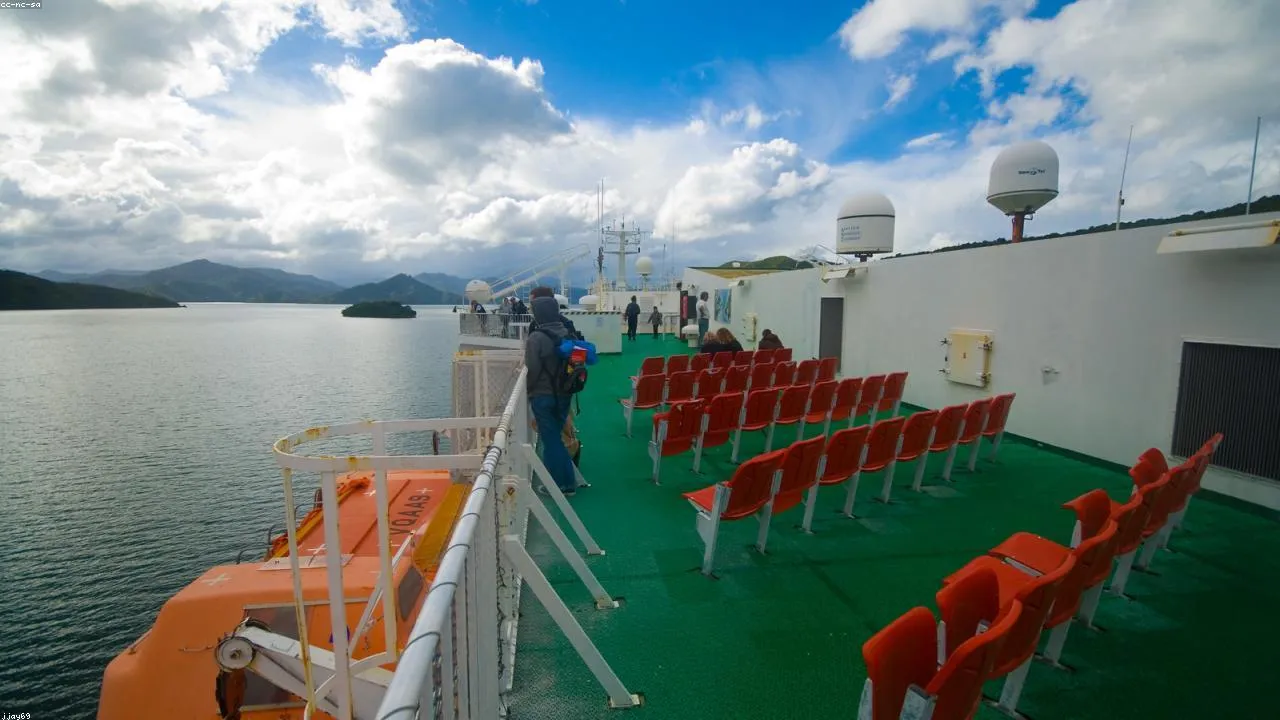
The Camellia Line (카멜리아 라인) operates overnight ferries between Busan International Ferry Terminal and Hakata Port in Fukuoka. It’s the most popular ferry route between Korea and Northern Kyushu, and has been running for decades.
Schedule: Departs Busan typically around 19:00–20:00 (weekday) or 18:00–19:00 (weekend). Arrives Hakata Port approximately 6:00–8:00 the next morning. The exact sailing time varies by day of the week and season — check the current schedule on the Camellia Line website before booking.
Cabin classes and costs (approximate, one-way):
- Economy class (open floor dormitory): ₩80,000–100,000
- Standard cabin (shared bunkbed): ₩120,000–150,000
- Business cabin (semi-private): ₩200,000+
- Special cabin (private): ₩250,000–400,000
Onboard amenities include a restaurant, shop, and lounge area. The vessel has Korean-language service for most onboard interactions.
Getting to Kokura from Hakata Port: After disembarkation, take the free shuttle or a taxi to Hakata Station (15–20 min, taxi ~¥1,500). Then the Sanyo Shinkansen Hakata→Kokura takes 16 minutes for ¥1,470. Total: roughly 45 minutes from ship to Kokura Station.
The Camellia Line is ideal if: you want to save a night’s hotel cost, you enjoy the slower pace of travel, or you’re travelling with a bicycle or more luggage than the budget airlines allow.
Option B: Kanbu Ferry — Busan to Shimonoseki
The Kanbu Ferry (관부 페리) sails overnight from Busan to Shimonoseki Port, arriving in Japan at the gateway to Northern Kyushu. This is arguably the most romantic way to arrive in the region.
Schedule: Departs Busan typically around 20:00–21:00. Arrives Shimonoseki approximately 8:00–9:00 the next morning.
Costs (approximate, one-way):
- Economy class (2nd class floor): ₩100,000–130,000
- Standard cabin: ₩150,000–180,000
- Deluxe cabin: ₩250,000+
Why Shimonoseki is special: The Shimonoseki ferry terminal sits right next to Karato Market (唐戸市場), famous for its weekend fugu (blowfish) sushi stalls. You can literally walk off the ferry and eat fresh fugu sushi for ¥200 a plate — this is one of the great food experiences in the entire Kanmon region. From Karato Market, the Kanmon Pedestrian Undersea Tunnel entrance is a 15-minute walk, connecting you to Mojiko (門司港) on the Kitakyushu side. That Karato-to-Mojiko walk is the iconic way to enter Kitakyushu.
Getting to Kokura from Shimonoseki: JR Sanyo Line from Shimonoseki Station to Kokura Station, approximately 15 minutes, ¥210. The port is a 5-minute walk or short taxi from Shimonoseki Station.
See /mojiko-retro/ for what to do once you’re through the tunnel at Mojiko, and /mojiko-karato-day-tour-from-fukuoka/ for a guided tour that covers both sides of the Kanmon Strait.
Option C: Direct flight — Busan to Fukuoka
The Busan (PUS) → Fukuoka (FUK) route is one of the busiest short-haul international flights in Asia. Multiple carriers operate it daily:
- Air Busan: 1–3 flights/day, frequent promotions
- Jeju Air: 1–2 flights/day
- Air Seoul: periodic service
- T’way Air: periodic service
Flight time: approximately 50 minutes in the air. With airport check-in and immigration, allow 2 hours at PUS before departure.
Total journey time Busan → Kokura: roughly 3–4 hours depending on waiting time at Fukuoka Airport.
- Fukuoka Airport to Hakata Station: subway, 5 minutes, ¥260
- Hakata Station to Kokura: Shinkansen, 16 minutes, ¥1,470
Costs: Low-season promotional fares can be as low as ₩29,000 one-way before fees. Realistic economy fare with bags: ₩80,000–150,000 each way in 2026. Book well in advance for weekend travel.
The flight is the right choice when: you have limited time and just want to get there, you’re travelling with carry-on only, or the ferry prices are high that week and a last-minute flight is cheaper.
Option D: Direct flight — Busan to Kitakyushu Airport (KKJ)
Occasionally, Jeju Air and Star Flyer operate routes between Busan (PUS) and Kitakyushu Airport (KKJ). These flights are less frequent and schedules shift seasonally — check availability closer to your travel date.
Why KKJ is worth considering: Kitakyushu Airport is considerably smaller and faster to navigate than Fukuoka Airport. The limousine bus from KKJ to Kokura Station runs in approximately 35 minutes for ¥710 — if you’re staying in Kokura or heading to Moji-ku, this is more convenient than flying into Fukuoka and then taking the Shinkansen.
Costs are similar to the Fukuoka flight; check both routes when booking.
Decision matrix: which option is right for you?
| Priority | Best option |
|---|---|
| Fastest total travel time | Flight to Fukuoka (Option C) |
| Most cost-effective (cheap flight season) | Flight to Fukuoka (Option C) |
| Save a night’s accommodation | Ferry (Options A or B) |
| Most memorable / scenic arrival | Kanbu Ferry to Shimonoseki (Option B) |
| Want to see Karato Market + Mojiko | Kanbu Ferry to Shimonoseki (Option B) |
| More baggage / bicycle | Ferry (Options A or B) |
| Most direct to Kokura | Kanbu Ferry to Shimonoseki (Option B) |
| Arriving at Kitakyushu’s own city | Direct flight to KKJ (Option D, if available) |
Pre-arrival preparation
Japan visa: Korean citizens are exempt from visa requirements for stays up to 90 days for tourism. No advance application is needed. Carry your passport and have a hotel booking or accommodation confirmation available — customs may ask.
Customs declaration: Japan requires a customs declaration form on arrival, available on the ferry/plane or fillable digitally via the Visit Japan Web system. Declare anything exceeding the duty-free limits (tobacco, alcohol, goods over ¥200,000 value).
Data connectivity: Set up a Japan eSIM before you depart — see the Japan eSIM guide for the best options for Korean travellers. Airalo’s regional Asialink plan covers both Korea and Japan if you want one eSIM for the whole trip.
IC card: Japan’s IC cards (Suica, ICOCA, Nimoca) are the most convenient way to pay for trains and buses locally. The Kitakyushu area primarily uses nimoca — you can load it at the first convenience store ATM you find. See /ic-cards-japan/ for setup details.
Korean credit cards: Visa and Mastercard credit cards issued in Korea are accepted at most port shops, ferry terminals, convenience stores, and train ticket machines. Check that your card has overseas transaction enabled before travel.
What to expect at each Japan-side port
Hakata Port (Fukuoka)
Hakata Port International Terminal is a functional ferry terminal about 15–20 minutes from Hakata Station. The terminal has a café and basic shops. There’s no subway connection — take the Nishitetsu bus (route to Hakata Bus Terminal) or a taxi.
After clearing customs and immigration (typically quick, 15–30 minutes for Korean passport holders), head to the bus stop outside arrivals or take a taxi to Hakata Station for the Shinkansen connection to Kokura.
Shimonoseki Port
This is the more atmospheric arrival. The Shimonoseki International Ferry Terminal is adjacent to Karato Market, which means you step off the boat directly into one of Japan’s most famous seafood markets. On weekends and holidays, the outside stalls at Karato serve affordable fugu nigiri, sea urchin, and fresh oysters from 10:00.
From Shimonoseki Port, you’re walking distance from:
- Karato Market (唐戸市場) — sushi and seafood stalls, especially lively weekends
- Akama Shrine (赤間神宮) — striking red shrine dedicated to the child-emperor Antoku, 10-minute walk
- Kanmon Pedestrian Tunnel entrance — 15-minute walk toward Mojiko (Kitakyushu)
If you have the time, walk through the undersea tunnel to Mojiko before catching the JR train to Kokura. See /kitakyushu/moji/ for the Mojiko area guide, and /kanmon-strait-museum/ for the museum at the strait.
Tips for Korean travelers
Korean signage: Both ferry operators have Korean-language service and menus onboard. Shimonoseki port has Korean-language signage. Kokura Station and major tourist spots in Kitakyushu have Korean-language information displays.
Credit cards at port shops: Most shops and restaurants accept Visa/Mastercard. TOSS and Kakao Pay QR payments are less reliably accepted — use card or cash as backup.
Currency: Change some yen before boarding or at the port ATM on arrival. Convenience store ATMs (7-Eleven, Family Mart) reliably accept Korean cards.
Ferry meal tips: Both the Camellia Line and Kanbu Ferry have onboard dining. Quality is decent for a ferry — think Japanese set meals and noodle dishes. Prices are reasonable (¥800–1,500 per meal). Bring snacks if you’re economy class.
Ready to plan what you’ll do once you arrive? Start with the Kitakyushu travel guide and browse day tours from Fukuoka that cover the Mojiko-Karato-Sarakura highlights. For a guided introduction to the Karato and Mojiko area specifically, see the Karato & Sarakura day tour and the Mojiko Karato day tour.
Ferry schedules and fares are approximate and change seasonally. Always verify current schedules directly with Camellia Line and Kanbu Ferry before booking. Flight prices reflect spring 2026 market conditions.
FAQ
Is there a direct ferry from Busan to Kitakyushu?
There is no ferry that sails directly into Kitakyushu's Kokura port. The two main ferry options from Busan arrive at Hakata Port (Fukuoka) via Camellia Line, or at Shimonoseki Port via Kanbu Ferry. From Shimonoseki, Kokura is just 15 minutes by JR train — making the Kanbu Ferry the closest ferry option to Kitakyushu proper.
How long does the Busan to Shimonoseki ferry take?
The Kanbu Ferry from Busan to Shimonoseki takes approximately 12–14 hours overnight, departing Busan in the late evening and arriving in Shimonoseki the next morning. From Shimonoseki port, Kokura (Kitakyushu) is a 15-minute JR ride.
How long does the Busan to Hakata ferry take?
The Camellia Line overnight ferry from Busan to Hakata (Fukuoka) takes approximately 7–12 hours depending on the day of sailing. After arriving at Hakata Port, take a taxi or bus to Hakata Station, then the Shinkansen to Kokura in 16 minutes.
Do Korean nationals need a visa for Japan?
No. Korean citizens can enter Japan visa-free for up to 90 days for tourism. You do not need to apply in advance. Bring your passport and, if asked at customs, a hotel booking confirmation or onward travel itinerary.
Is a flight or ferry faster from Busan to Kitakyushu?
A flight is faster door-to-door. The Busan–Fukuoka flight is around 50 minutes in the air, and total travel time from central Busan to Kokura is roughly 3–4 hours including airport transfers. The ferry takes 12–14 hours (Shimonoseki) or 7–12 hours (Hakata). The ferry's advantage is overnight travel — you sleep and arrive at the destination, saving a night's accommodation cost.