Beppu Day Tour from Fukuoka: 8 Hells + Onsen Guide (2026)
How to do a Beppu day trip from Hakata — the 8 Hells circuit, Kannawa onsen, foot baths, sand bath, steam food, and Klook tour options vs. DIY by JR Sonic.

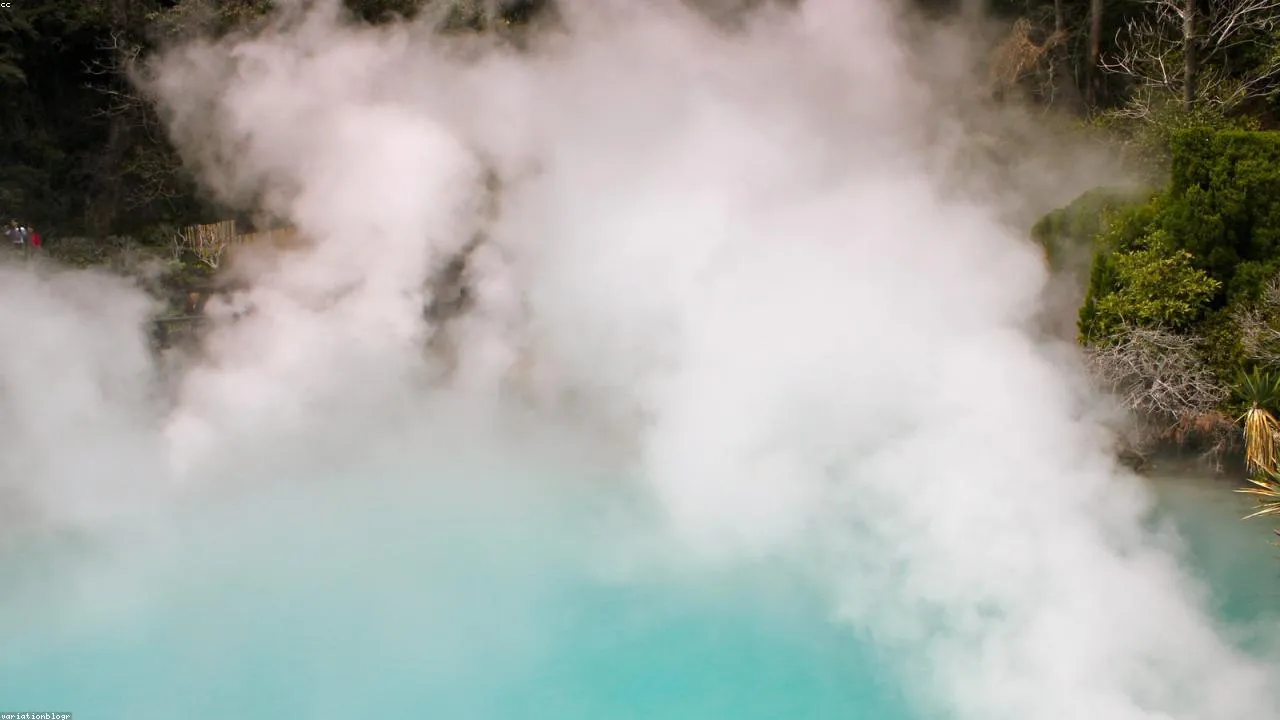
Beppu is Japan’s most geothermally active city — more hot springs than any other place in the country, eight visually extreme “Hells” that look like something from a geology textbook, and an onsen culture dense enough to fill a full day without trying. It’s 1 hour 50 minutes from Hakata by limited express, which makes it the most practical big-impact day trip in Kyushu.
Here’s exactly what the 8 Hells circuit involves, how to layer onsen experiences on top of it, and whether a Klook tour or the JR Sonic DIY route makes more sense for your trip.
What are the “8 Hells of Beppu” actually?
The 八大地獄 (Hachi-dai Jigoku) — literally “eight great hells” — are eight separate hot spring pools, each with a different temperature, colour, and geological character. They’ve been tourist attractions since the Taisho era (1910s–1920s), long before modern onsen tourism existed.
Crucially, these pools are for looking at, not bathing in — temperatures reach 99°C at some sites. The experience is visual and atmospheric: steam rising off vivid water, bubbling mud, thermal geysers. Here’s what each one is:
Umi Jigoku (海地獄) — Sea Hell
The most famous and the one on every poster. A cobalt-blue pool fed by the same type of dissolved minerals that colour hot spring water in Iceland. Temperature: ~98°C. The colour is caused by ferrous sulfate, and it’s genuinely striking — not filtered, not enhanced. The largest of the seven open Hells, with a garden path, lotus pond (heated by runoff), and a food stall selling onsen tamago (eggs soft-boiled in the spring water).
Oniishibozu Jigoku (鬼石坊主地獄) — Monk’s Head Hell
Grey mud bubbles up in large smooth domes that look exactly like a shaved monk’s head emerging from the surface. Less dramatic visually than Umi Jigoku but the most tactile — the sound and texture of the bubbling mud is the point here. Temperature: ~99°C.
Kamado Jigoku (かまど地獄) — Cooking Pot Hell
Named after the demon cook in old Japanese mythology. Six different pools in one compound showing different temperatures and colours — from pale grey to rust red. This is the most didactic of the Hells: signboards explain the geological differences between pools. Good for understanding the variety before you’ve seen all the others.
Oniyama Jigoku (鬼山地獄) — Devil Mountain Hell
The hot spring here is harnessed to heat a crocodile farm — over 70 crocodiles live in the warm outflow. It sounds absurd and it is, but it’s been here since 1923 and is genuinely part of the site’s character. Don’t skip it just because it sounds kitschy.
Shiroike Jigoku (白池地獄) — White Pond Hell
A milky white pool fed by super-heated water that turns white as it cools on contact with the surface. The most architecturally serene of the five Kannawa Hells — there’s a small tropical fish aquarium heated by geothermal water in the same compound.
Those five make up the Kannawa cluster. The remaining two are 5 km away at Shibaseki:
Chinoike Jigoku (血の池地獄) — Blood Pond Hell
The oldest natural hot spring hell in Japan — referenced in historical records going back 1,300 years. A deep brick-red pool of ferrous iron-rich water. The colour is naturally occurring, produced by red clay containing iron and magnesium oxide. From the viewing platform, it looks like a blood-filled lagoon. Temperature: ~78°C. Skin cream made from the red clay is sold on-site and is one of Beppu’s more legitimate souvenirs.
Tatsumaki Jigoku (龍巻地獄) — Waterspout Hell
A natural geyser that erupts every 30–40 minutes, shooting boiling water 6–8 meters high. The viewing area has a concrete canopy that contains the spray. Timed your visit wrong, you wait up to 40 minutes — factor this into your schedule. Timed it right, it’s the most viscerally dramatic moment of the whole circuit.
One note on the count: “Eight hells” is the traditional name, but one of the original eight — Yama Jigoku — is now a private zoo that’s not part of the standard combined ticket. The seven listed above are what visitors see today.
Tour route — how the day actually flows
Whether you book a Klook tour or go DIY, the day follows a natural shape:
Morning: depart Hakata (~08:00–09:00 train or bus pickup). Arrive Beppu around 10:00–10:30.
Late morning: Kannawa cluster (Umi Jigoku → Shiroike → Oniyama → Kamado → Oniishibozu). The combined ticket (¥2,200) covers all seven Hells. The Kannawa five can be walked in 60–90 minutes if you don’t linger. Budget 2 hours if you stop for photos.
Lunch: steam-cooked food (地獄蒸し) — see the section below.
Early afternoon: Shibaseki cluster (Chinoike + Tatsumaki). A taxi or local bus between clusters takes 10–15 minutes. Spend an hour here including geyser timing.
Mid-afternoon: Kannawa onsen or foot bath (~14:30–16:00). The Hells circuit naturally deposits you near Kannawa’s network of onsen facilities.
Late afternoon: optional sand bath or final dip.
Evening: JR Sonic back to Hakata, arriving around 19:00–20:00.
This is a full but not rushed day — about 8–9 hours on the ground in Beppu.
Klook tour options
The easiest search for all current Beppu day tours from Fukuoka:
Browse Beppu day tours from Fukuoka on Klook →Klook typically lists several variants for this route. What to look for:
Group bus tour (~¥8,500–9,500/person): Hakata pickup → Hells combined ticket → lunch stop → optional onsen → return. English guide included. Best value for solo travelers and pairs who want zero logistics. The combined Hell’s ticket is usually included in the price.
Bundle with Yufuin (~¥11,000–13,000/person): Adds a stop at Yufuin, the picturesque onsen town 40 minutes inland from Beppu. Good if you haven’t seen Yufuin and want to combine both in one day — though the day becomes logistically dense with 3+ hours of bus time. See our separate Yufuin day tour guide if you want Yufuin as the main focus.
Private tour (~¥30,000+/group): Custom timing, dedicated vehicle, guide. The main advantage here is geyser timing at Tatsumaki and early morning access to the foot baths before crowds arrive.
Check current Beppu tour prices and availability →Foot baths and steam-cooked food
These are the two most underrated parts of a Beppu day trip — often skipped by tour-only visitors who don’t know they exist.
Foot baths (足湯): Beppu has over 20 free or ¥100 public foot baths scattered around the city, including several in the Kannawa area near the Hells. After 2+ hours of walking the circuit, 15 minutes with your feet in 40°C water is genuinely restorative. The Kannawa Mushi-yu Rotenburo area has foot baths open to non-bath visitors. Look for the wooden signs marked 足湯.
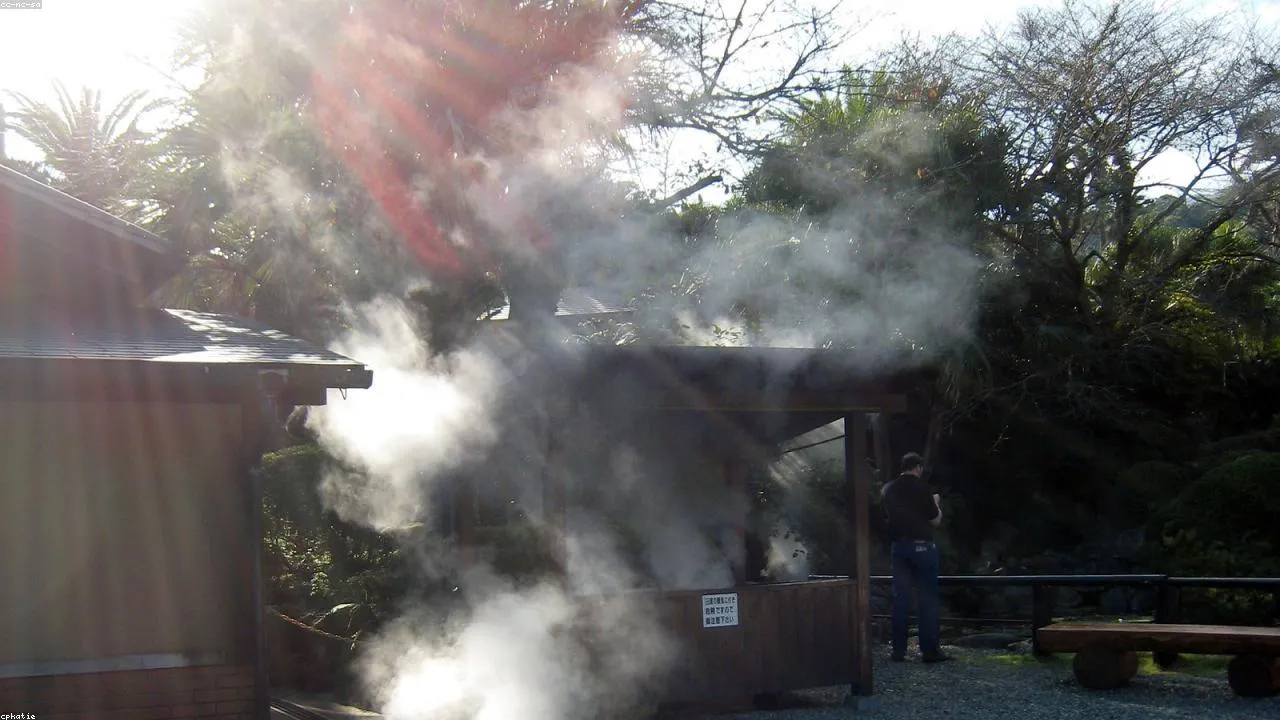
Jigoku-mushi (地獄蒸し) — hell-steamed food: Beppu’s geothermal steam is used to cook food. Several restaurants around Kannawa let you load a bamboo steamer with vegetables, seafood, and eggs, then lower it over the vent for 10–15 minutes. The result is unlike anything oven-cooked: vegetables intensely flavored, seafood silky. The best-known facility is Jigoku-mushi Kobo Kannawa (地獄蒸し工房 鉄輪) — a public steam kitchen where you select and cook your own ingredients. Arrive between 12:00–13:00 for the freshest seafood selection. Budget ¥1,500–2,500 for a proper steam-cooked lunch.
Sand bath (砂湯) options
A sand bath is distinct from a regular onsen: you’re buried in naturally-heated beach sand (or indoor sand heated by geothermal steam) with only your head above the surface. The heat penetrates differently than water — more even, deeper, and many people find it intensely relaxing.
Beppu Kaihin Sunayu (別府海浜砂湯): The most accessible. Located at Shoningahama Beach, a 15-minute bus ride from Beppu Station. The attendant buries you in black sand for approximately 15 minutes. Yukata provided. ¥1,500 entry. Open daily except Wednesdays. The setting — ocean in front, steam rising from sand around you — is unlike any other onsen experience in Kyushu.
Kannawa Mushi-yu (鉄輪蒸し湯): Not a sand bath per se, but a steam bath — a stone room heated by geothermal steam where you lie on a bed of medicinal herbs. One of the few remaining facilities of this type in Japan. ¥530 entry, 10 minutes per session. Small and often queue-free in the afternoon.
Kannawa onsen area (鉄輪温泉)
After the Hells circuit, Kannawa is where to actually experience Beppu’s onsen culture. The neighborhood is a grid of narrow alleys with steam rising from every drain and vent — the atmosphere is theatrical in the best way.
Several public bath facilities (共同浴場) charge ¥100–¥300 for a 20-minute dip in the same geothermal water the Hells use, just cooled to a bathing temperature of 40–43°C. The baths are no-frills — tiles, wooden buckets, no shampoo provided — and almost entirely used by locals, not tourists. Hyotan Onsen (ひょうたん温泉) is the most complete facility for day visitors: multiple outdoor pools, sand bath, steam room, and private family baths all in one compound. ¥800 entry.
DIY by JR Sonic + Beppu bus pass
For travelers with a JR Kyushu Rail Pass or those who prefer to self-route:
Hakata → Beppu: JR Sonic limited express from Hakata Station to Beppu Station. Journey time: 1 hour 48 minutes. Standard fare: ¥4,510 reserved. Trains run roughly every 30–60 minutes. The Sonic is a genuinely good train — named for its speed, with distinctive white exterior designed by Eiji Mitooka.
Beppu bus pass: The Beppu City Beppu Area 1-Day Pass (べっぷ地獄めぐりバス) costs ¥900 and covers all Kamenoi buses within Beppu, including the route between Beppu Station and both Hell clusters. Available at Beppu Station or from the bus driver. Without this pass, individual bus fares between stops add up quickly.
Hells → Kannawa route: Local buses run between Beppu Station and Kannawa every 15–20 minutes. The ride is about 20 minutes. For the Shibaseki cluster, take a bus from Kannawa (10 minutes) or a taxi (¥800–1,000 between clusters).
Booking note: If you don’t have a JR pass, the round-trip Sonic fare (¥9,020) plus Hells entry (¥2,200) plus bus pass (¥900) puts DIY at ~¥12,000+ before food and onsen. A Klook group tour at ¥9,500 including transport and Hell’s entry can genuinely be better value for non-pass holders. Do the math for your specific situation.
Photo tips
Best light for the Hells: Arrive at Umi Jigoku between 09:30–10:30 before the tour buses. The steam is more dramatic in cooler morning air (especially November–February). Midday light at Chinoike washes out the red — early afternoon (13:00–14:00) with slight overcast gives richer color.
Tatsumaki geyser: Check the eruption schedule at the gate — it’s posted with the next expected time. Position yourself on the upper viewing platform’s left side for the best angle without the canopy post in frame.
Hyotan Onsen: The outdoor rotenburo has a small waterfall feature that photographs well in the 15:00–16:00 window when afternoon sun hits the steam. No phones in the bath itself, obviously — scout the angle before you undress.
Kannawa alleys: The narrow streets between the Hells and the steam bath buildings are some of the most atmospherically photogenic streets in Kyushu. Arrive early or walk back after lunch when tour groups have moved on.
Who this day trip suits
- Travelers based in Fukuoka with a day free and no car
- Onsen-curious visitors who want to understand what makes Japanese hot spring culture distinctive beyond “bathing in hot water”
- Anyone who hasn’t seen active geothermal geology up close — the Hells are genuinely unusual on a global scale
- Travelers combining a Kyushu trip with a Beppu leg but not staying overnight
If you’re specifically focused on Yufuin’s lake walk and artisan shops, our Yufuin day tour guide covers that separately — Yufuin and Beppu are neighboring but very different experiences.
For a Japan data plan before you arrive: Japan eSIM guide.
Browse all day tour options from Fukuoka and Kitakyushu.
FAQ
How far is Beppu from Fukuoka, and how long does it take? Approximately 120 km southeast of Hakata. JR Sonic limited express: ~1 hour 50 minutes, ¥4,510 reserved. Tour buses: similar time. JR Kyushu Rail Pass covers the Sonic.
Is a Beppu day tour from Fukuoka worth it, or should I stay overnight? A day trip covers all the headline experiences: the full Hells circuit, foot baths, steam food, and one onsen dip. Overnight stays make sense for a full ryokan experience, dawn outdoor bathing, or adding Yufuin. For first visits, the day trip is enough.
How many of the 8 Hells can you visit in a day tour? All seven currently-open ones. The ¥2,200 combined ticket covers all seven. Budget 2–3 hours for both clusters including transit.
What is the Klook Beppu day tour price? Group day tours run ~¥8,500–¥12,000/person. Private tours from ~¥30,000/group. Search Klook for current pricing.
Can I do a sand bath on a Beppu day tour from Fukuoka? Yes — Beppu Kaihin Sunayu takes 15–20 minutes and costs ¥1,500. Some Klook tours include it; DIY visitors can add it independently.
Beppu’s combination of visually extreme geology, deep onsen culture, and genuinely good steam-cooked food makes it the most distinctive day trip from Fukuoka. Whether you book a Klook tour or take the Sonic independently, the Hells circuit alone justifies the trip.
Check current Beppu day tour prices on Klook →Booking through this link supports KitaQ.Travel’s photography and original research at no extra cost to you.
Browse more day-tour options from Fukuoka and Kitakyushu on the tours hub. See also what’s waiting in Kitakyushu itself and our things to do in Kitakyushu guide.
FAQ
How far is Beppu from Fukuoka, and how long does it take?
Beppu is approximately 120 km southeast of Hakata. The JR Sonic limited express covers it in about 1 hour 50 minutes (¥4,510 reserved). The Beppu day tour by bus from Hakata takes roughly the same time. If you have the JR Kyushu Rail Pass, the Sonic is essentially free.
Is a Beppu day tour from Fukuoka worth it, or is an overnight better?
A day tour is entirely sufficient to cover the 8 Hells circuit, a foot bath, steam-cooked lunch, and one onsen dip. Overnight stays make sense if you want to book a full ryokan experience, use an outdoor rotenburo at dawn, or add Yufuin. For first-time visitors, the day trip covers all the headline experiences.
How many of the 8 Hells can you visit in a day tour?
All seven currently-open hells are walkable in 2–3 hours if you buy the ¥2,200 combined ticket. The Hells split into two clusters — Kannawa (5 hells) and Shibaseki (2 hells) — which are 5 km apart. Tours handle the transfer between clusters; DIY visitors take a local bus or taxi.
What is the Klook Beppu day tour from Fukuoka price?
Klook group day tours for Beppu from Hakata run approximately ¥8,500–¥12,000 per person depending on the itinerary. Private tours start around ¥30,000 per group. Search the Klook Beppu page for current availability and exact pricing.
Can I do a Beppu sand bath on a day tour from Fukuoka?
Yes. The Beppu Kaihin Sunayu sand bath (海浜砂湯) at Shoningahama Beach is the most accessible option and takes about 15–20 minutes. It is a short taxi or bus ride from the Hells area. Some Klook tours include it; DIY visitors can add it independently for ¥1,500.